
Pulling up the drawbridges, or extending a hand
Following my previous, football-inspired post on team and tribe, I plucked up the courage to read a distantly related Guardian article entitled Now comes the ‘womanosphere’: the anti-feminist media telling women to be thin, fertile and Republican which sent me back to my own very conservative, Catholic (pretty tribal!) upbringing, with all the pre-marital sexual guardrails and constraints that came along with that. There, too, the default expectation was that mothers would be housewives, to manage the large family* and support the breadwinner. That sense was bolstered by a feeling of us being an embattled, absolutely correct minority, cast unwillingly but cohesively into the wild and sinful wider world. That feeling accompanied me through university and my earliest working days, to thankfully be sloughed off over decades of ‘normal’ life, helped I think by a slow-to-awaken core of suspicion that “all of” right wasn’t necessarily on our side, that helped loosen that armour from the inside.
Yet another related Guardian article cropped up on the American (where elsican?) natalist movement What is America’s pro-natalism movement really about? m highlighting a (for now) relatively small, embattled, inherently correct minority turning inwards to battle and protect itself against a wrong-headed wider world.
Then, finally, there was another article, entitled Please, yell at my kids! Five lessons I’ve learned about good parenting from around the world (I have to say, though: ‘five or ten things’ are the worst articles, but still…) about ways of raising families around the world, with the common, positive thread being that of community. The author also points out that
parenting is hard everywhere, but nowhere is it as lonely as it is in the US
The message for me from all of these links has to be that of plurality as a good. Communities can be too closed and insular, becoming cells focussed on their own people and messages: with the availability of self-reinforcing but unreflective, non-selfcritical media (print media does the job well enough, too), these cells can grow to become a danger to society - from thread to theat, as it were. Communities can also potentially become too loose and incoherent to retain that identity.
If we can gain a plural sense of community, that is, openness to the idea of interwoven groups and communities, then we have a stronger society. For societies are interwoven, interlocking communities. If too many communities cut the threads and build walls rather than bridges, convince themselves that everybody else is the enemy, then societies suffer. Communities need to be challenged with the fundamental questions: who is this good for, and where do our goods come from?
And society needs to monitor and promote the health of its communities. We don’t need to convert everybody from Catholicism; housewives make a valuable (if undervalued) contribution to society; football fans bring cohesion and dynamism to a town; positive birth rates can be a sign of healthy communities. “Just” keep everybody respectful, and things will be better for all.
No doubt that’s a rich Western point of view - but even here, in strong Europe, we need that reinforcement. But before things become too earnest…
*: an early draft had me writing
… housewives being there to cook and manage the family
which, thanks to English grammar, came across as rather gruesomely funny when I mentally parsed it in that way…)
Football, partisanship, populism and me
I was surprised at how Jonathan Liew’s article in the Guardian Pundits’ showy partisanship reflects football’s embrace of fan-centric populism resonated with me and caused the notion of an “anti-identity” to bubble up in my mind, reinforced by the thought, kindly provided by Brexit Prime Minister Theresa May, of me as a “citizen of footballing nowhere.”
Throughout my football-formative years, as we moved house and as I later continued my own arc around the UK and abroad, I have supported home teams in Liverpool, Manchester, Ipswich, Bologna, Shrewsbury and Mainz. Through friendships and admiration of certain teams, I have also supported Sampdoria (Vialli, Platt), Bayer Leverkusen (Ballack, Babic, Berbatov), Tottenham (Hoddle, Waddle, Mabbutt) and Arsenal (Overmars, Petit, Henry…). Now, with a German wife and family, I can’t feel too bad if they play well and win (though it’s agonising watching England play badly and lose, especially to Germany). I’ve been astounded and confounded at matches, in pubs or at home, so - I think it’s important to emphasise this - I don’t consider myself to be emotionally stunted when it comes to football.
Yet I find myself asking now: what does it mean to support a team? Is an appreciation of who they are at the time and of their vicissitudes sufficient? Am I OK to reset so quickly after fleeting elation or disappointment, and appreciate their struggles after going down, or do I have to feel things more viscerally, for longer?
Liew’s article also highlighted my innate reluctance – quiet, usually unaware – to despise opponents (provided they’re not simply being despicable) in any field: sport, religion, politics, work. This can put me at odds with the heartfelt supporters, those who have maybe never known anything else, who are all-in, who would consider themselves the ’true’ supporters. It makes me wonder: is my perspective shallower, somehow weaker, more diluted than theirs? And does it reflect the problem in the populist slide, that full-throated, roaring fanaticism trumps broad appreciation?
Football is often used as an analogy or metaphor for much else in life - team and tifo, as it were: If society can find the balance between passion and respect, my team, my tribe distinctly with all the others, not against, then I think we’d all be better off.
A mini goal achieved: walking from Neckargemünd back to Heidelberg
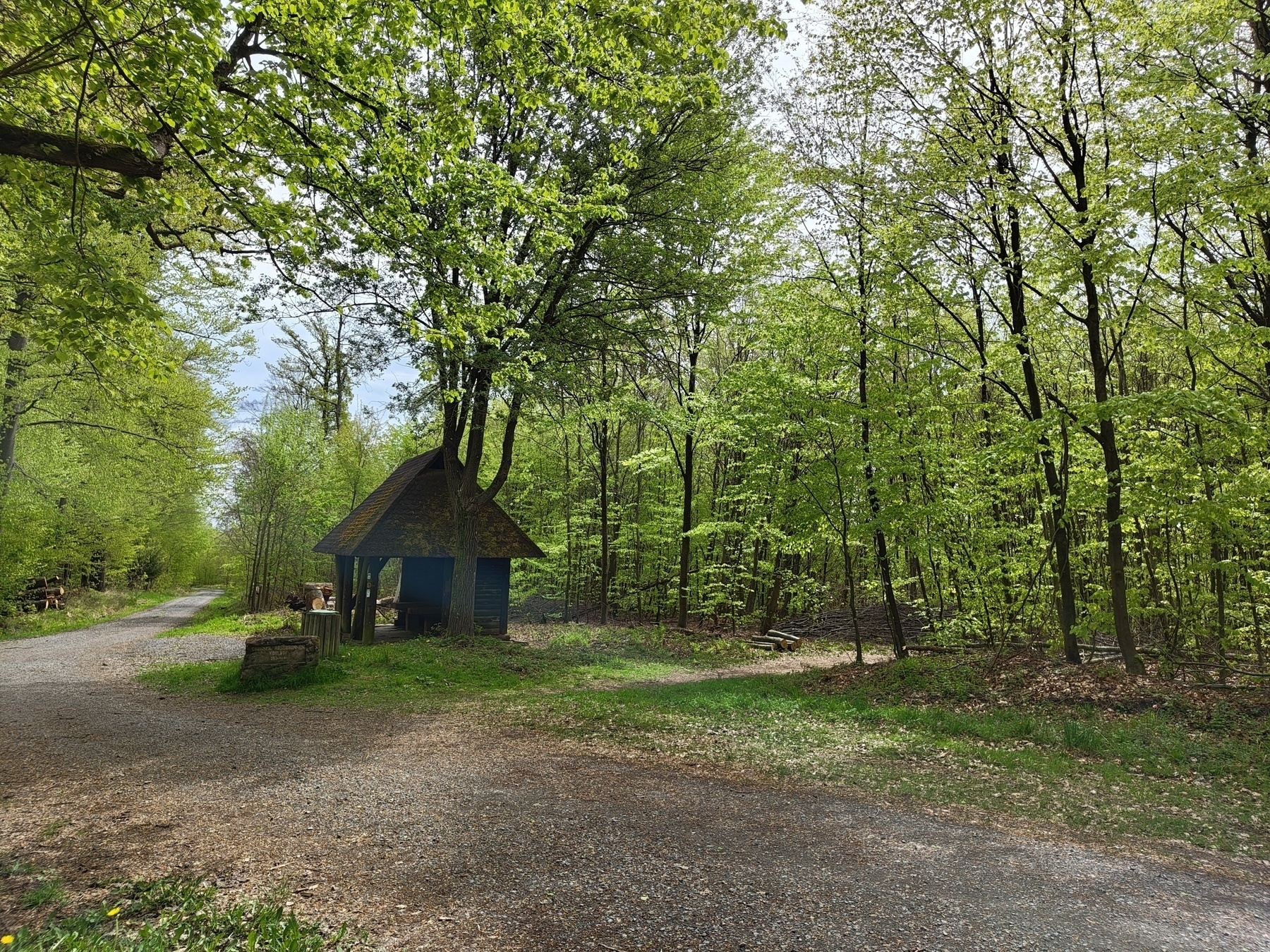
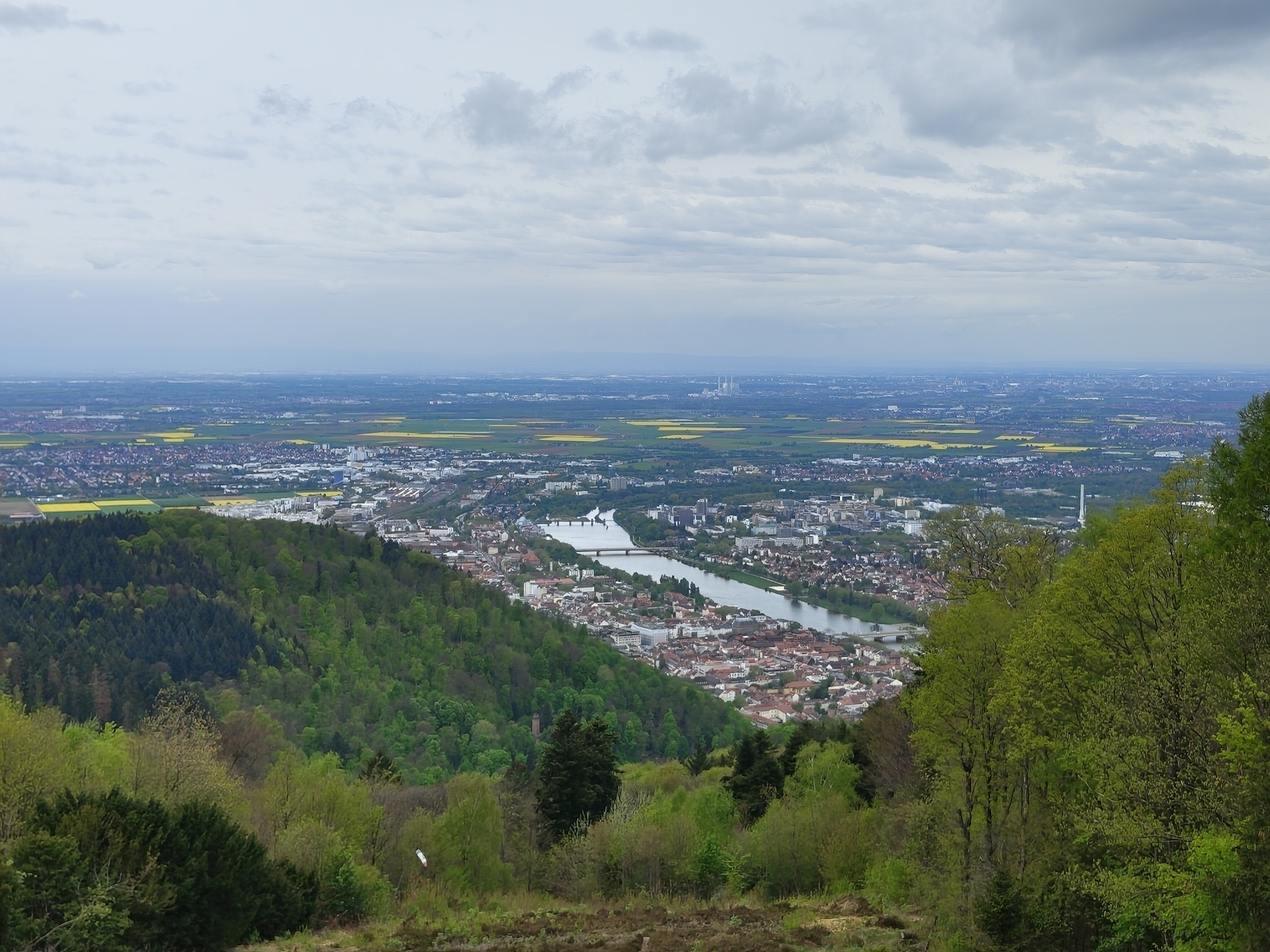
I finally completed a long-held goal: not a huge one, by any stretch of the imagination, but one that had been on the back of my mind for a while: take the S-Bahn to Neckargemünd and hike through the hills along the Neckar back to Heidelberg. It was lovely, and really did get me as mentally relaxed and “aware” of myself again as I’d hoped. The fact that it was 12.5 km long and included a total of 900 m of climbing (and descent) meant that I really felt the legs again. Mens sana in corpore sano, as they say!
Oh, and I found the OsmAnd mapping app really good - felt good about supporting them with the subscription.
A trip to Bruchsal Castle
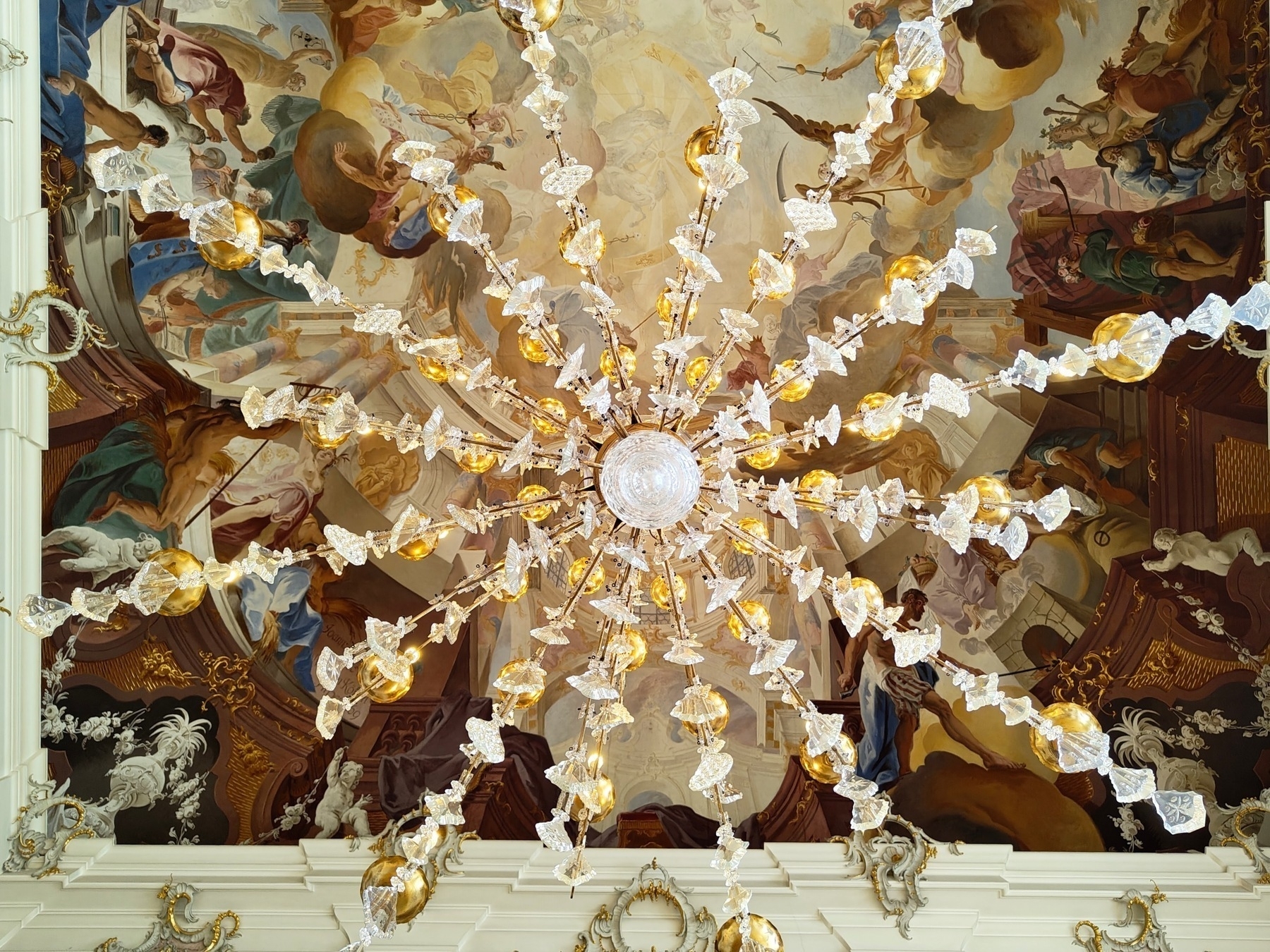
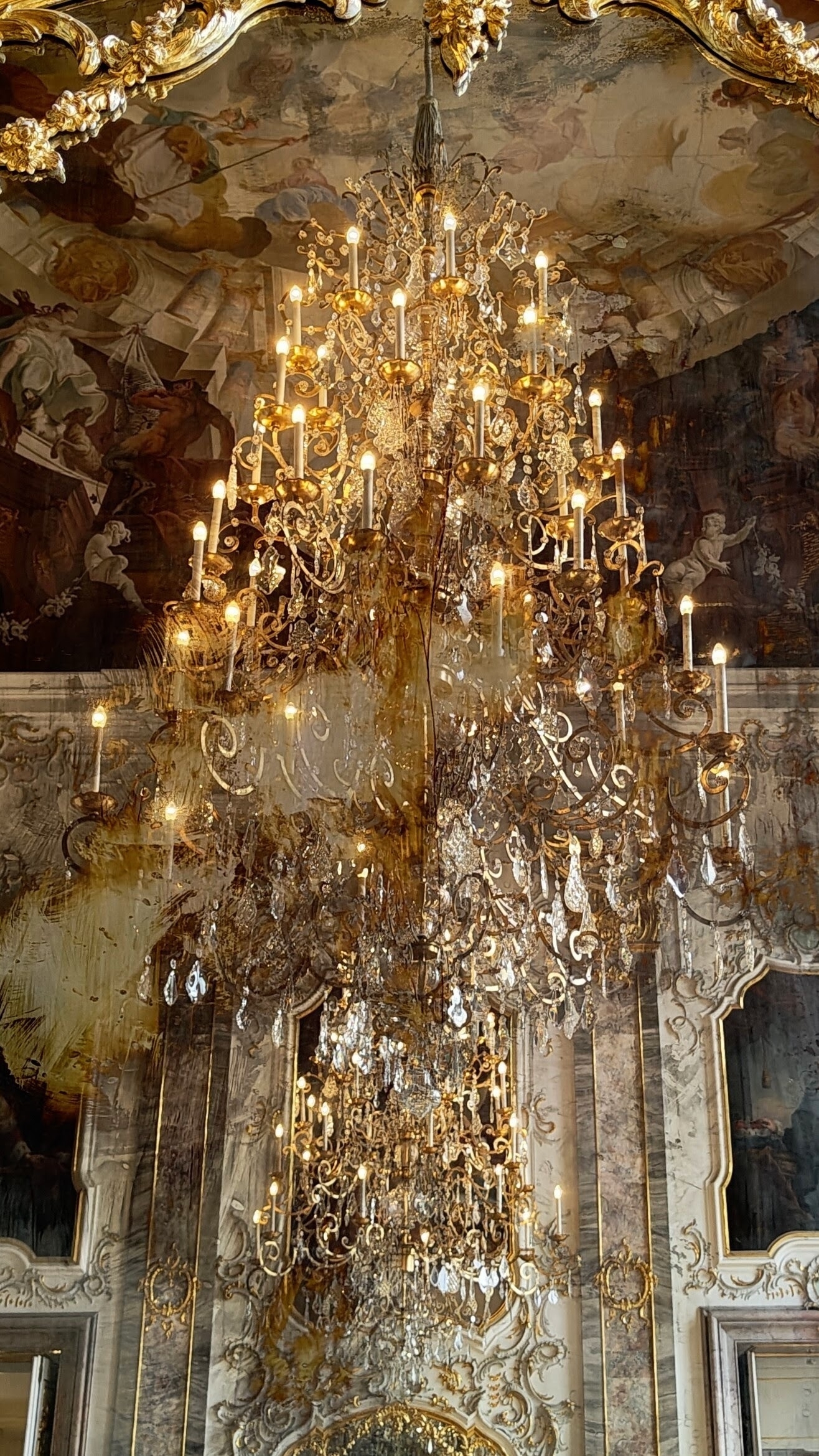
We decided to accompany my in-laws part way on their trip back home and to discover Bruchsal Castle (Barockschloss Bruchsal) as part of our outing. It turned out to be a real jewel in what I had always assumed to be an unassuming industrial town “en route” to elsewhere (sorry for these presumptions, which I really should try harder to resist!).
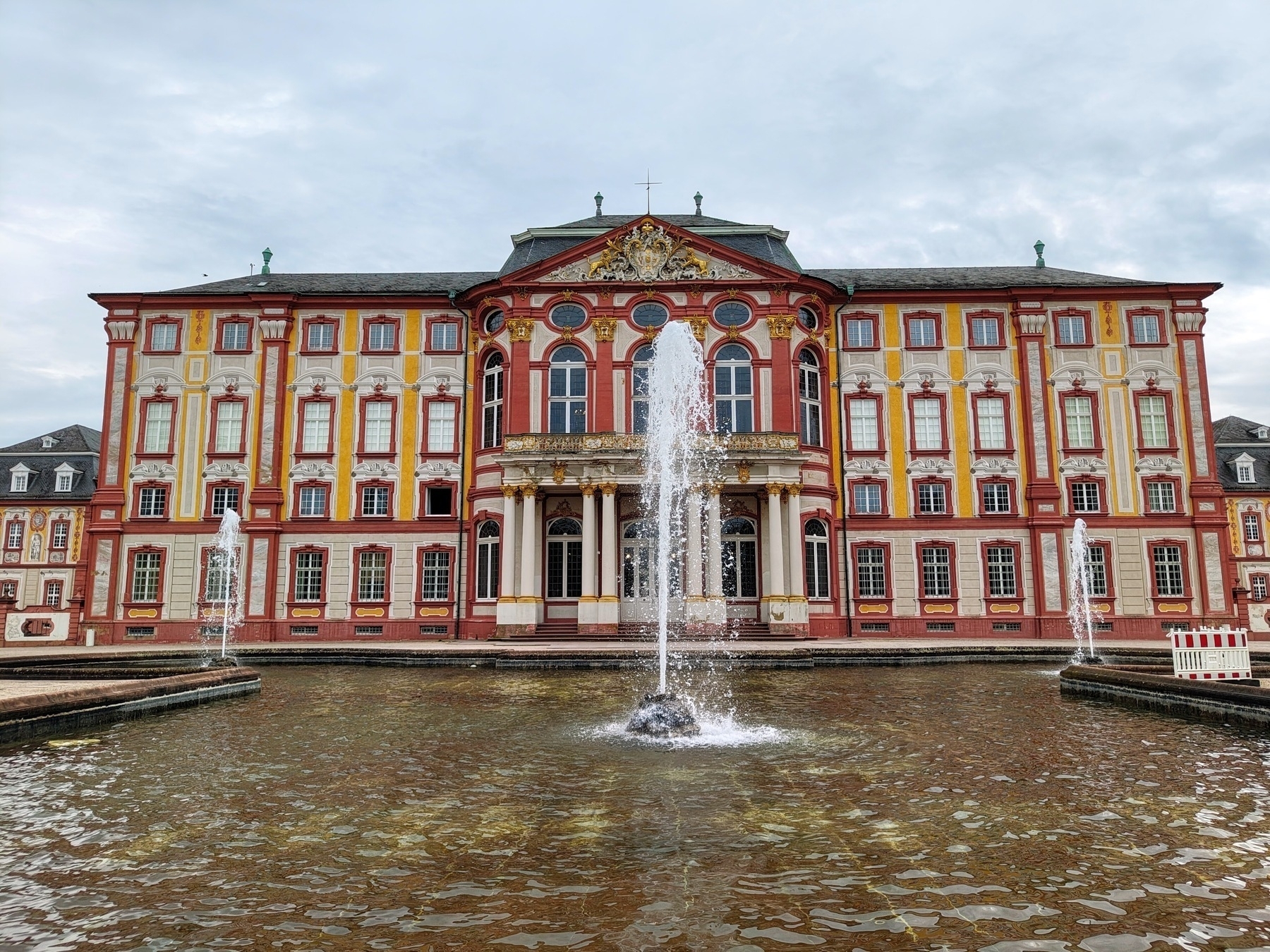
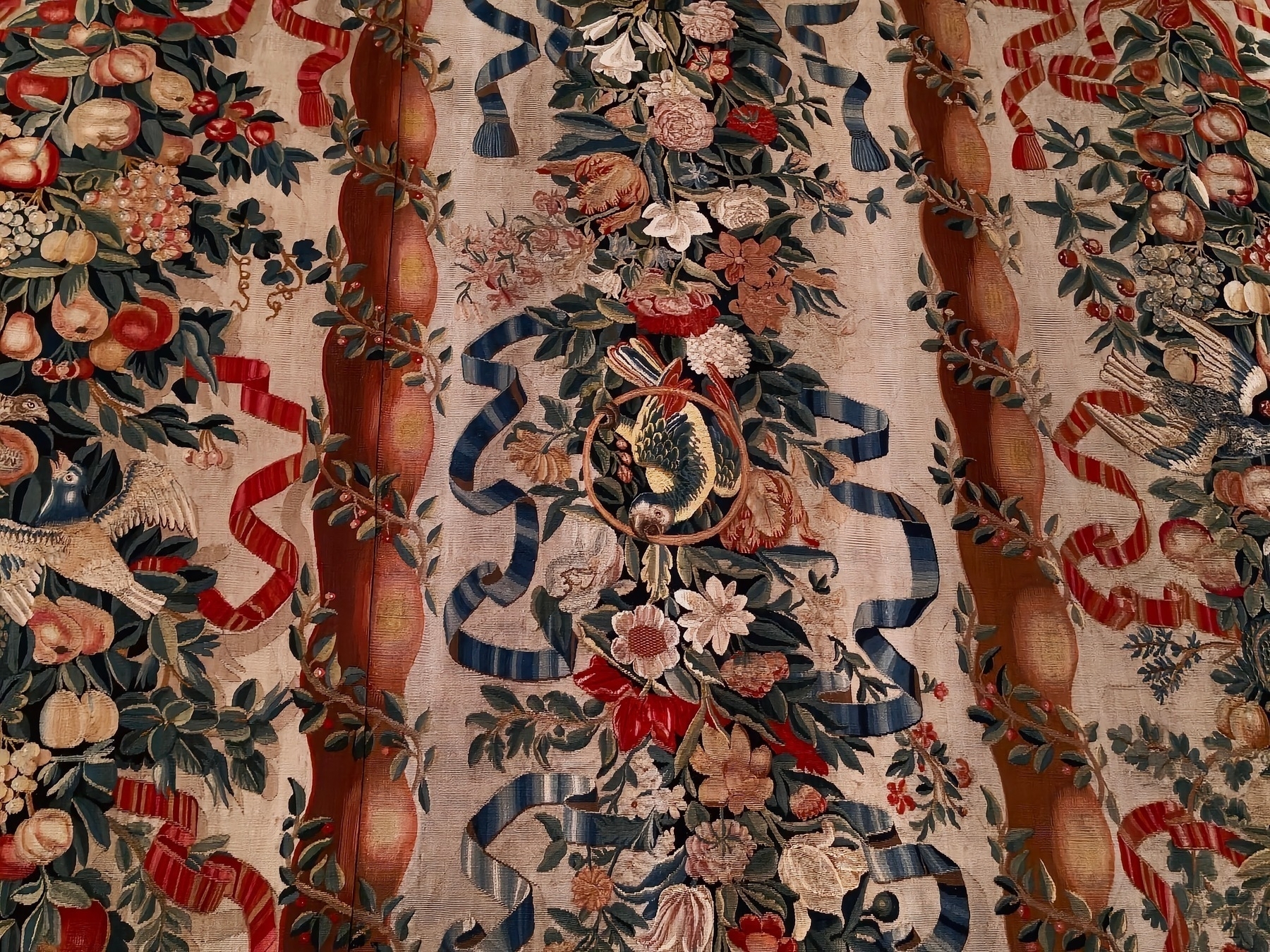
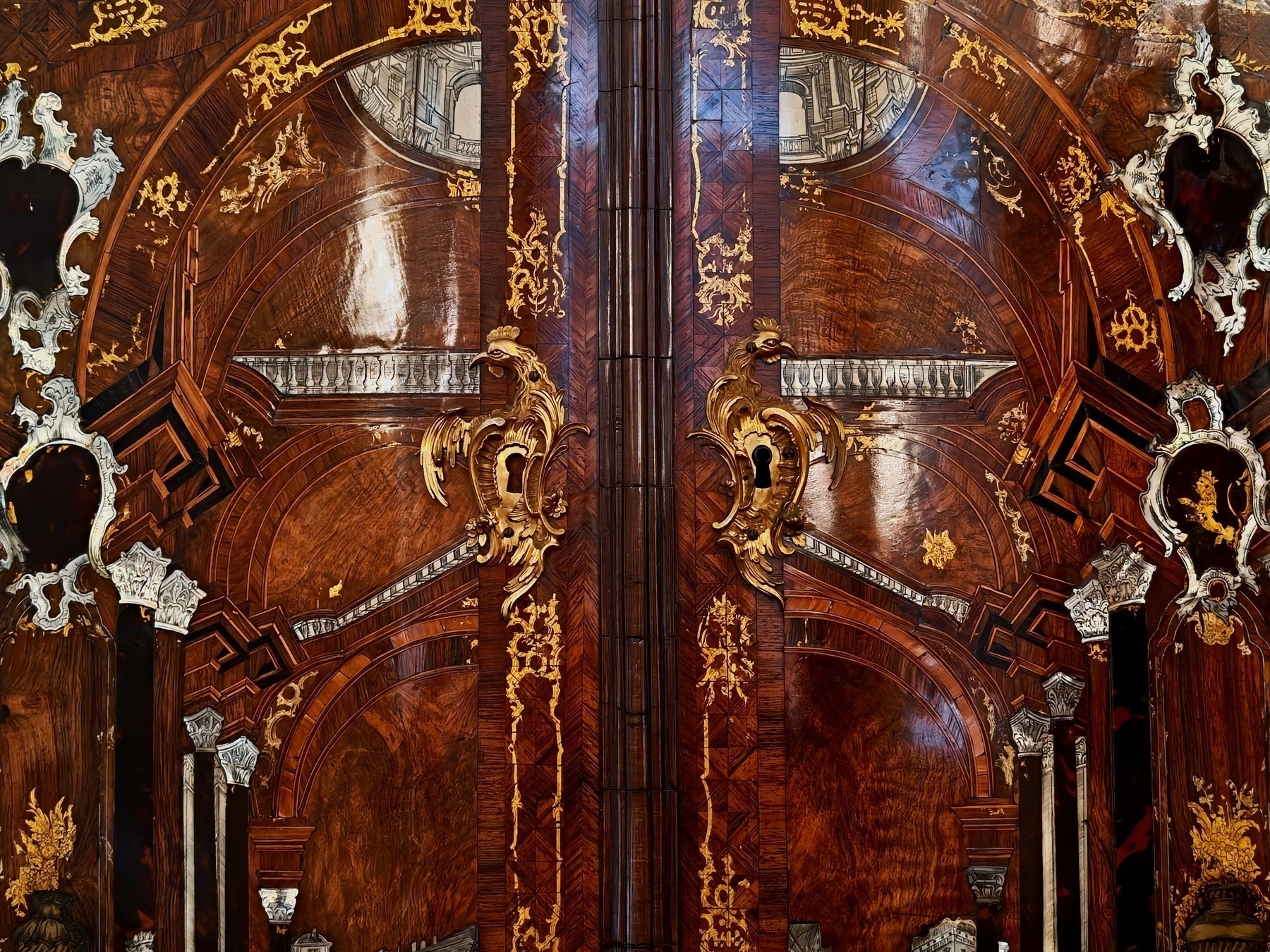
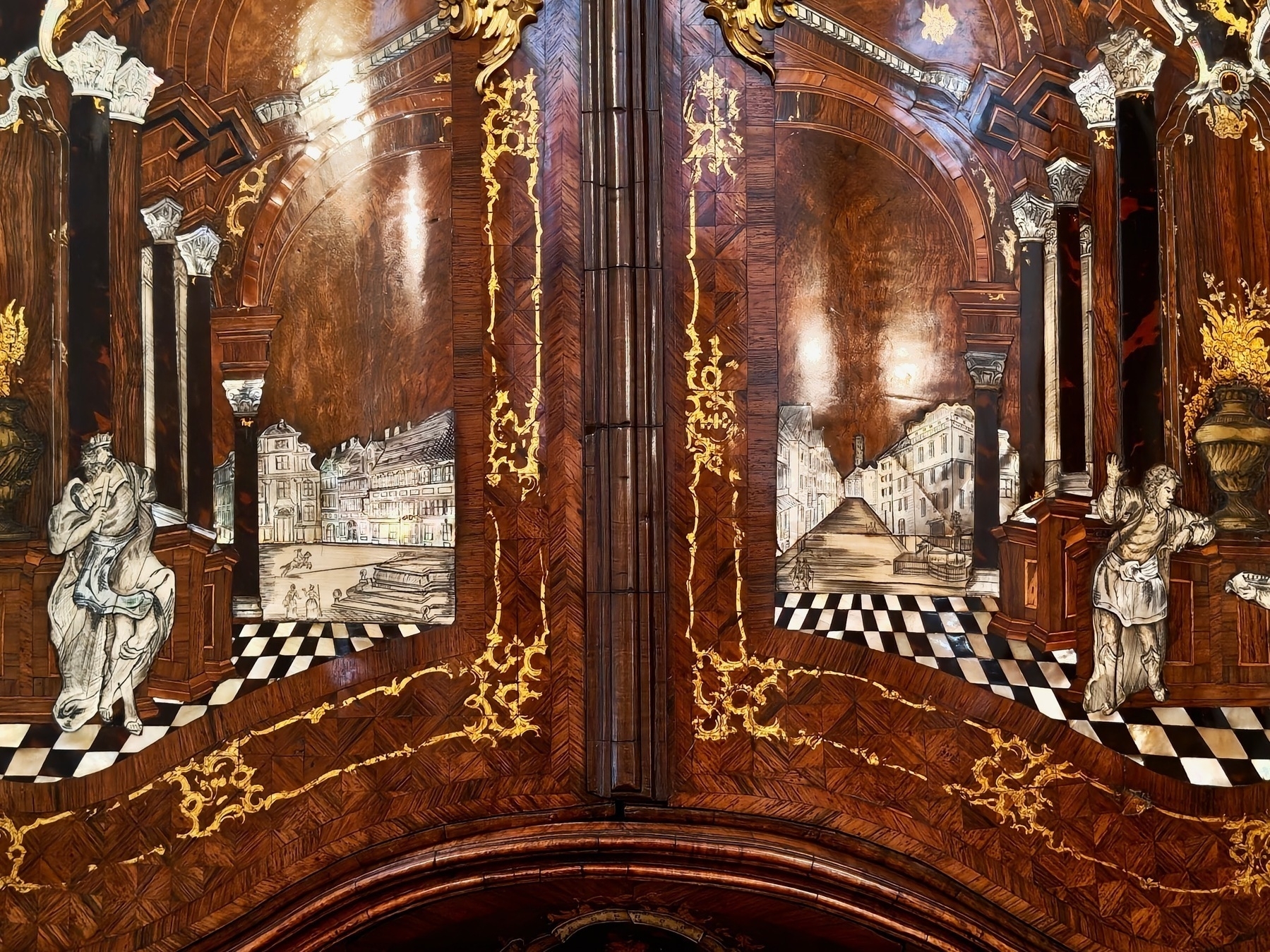
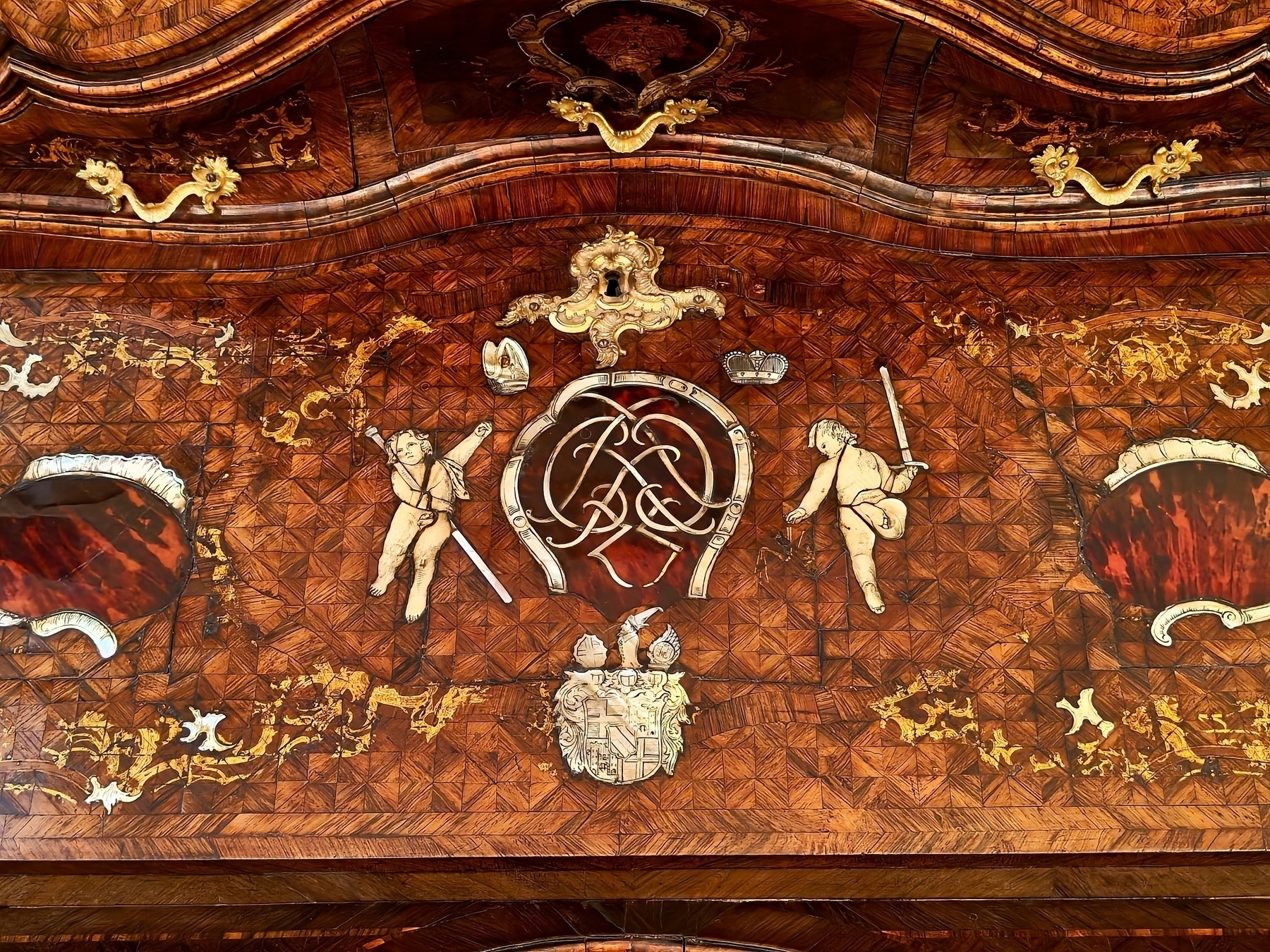
Indeed, the castle is initially a disappointment, looking a bit tatty and clearly restored with limited resources, paint replacing actual decoration for most of the building. It turns out that the castle was destroyed during WWII and painstakingly rebuilt in the 1970s, with whatever they had to hand. The jewels are the retained artefacts, which had been removed from the castle in around 1942, before the destruction in 1945. These artefacts include tapestries (Parisian and Belgian, in the main), and secretaries (in the sense of writing desks!) with fantastic inlays.
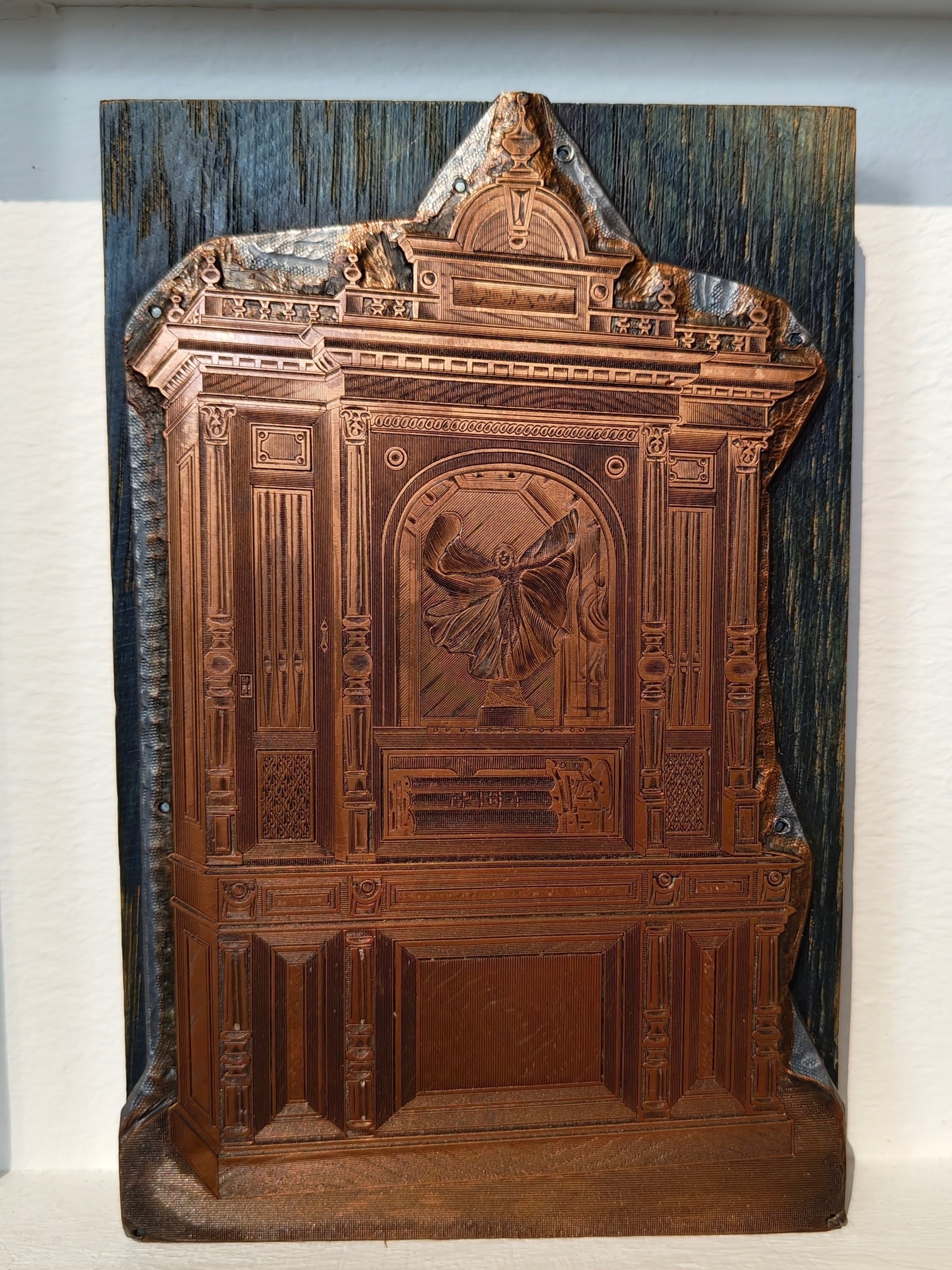
The building houses two further museums: a history of Bruchsal and the region on the top floor, in a setting that retains much of its 1970s “charm”; and a museum of musical automata, which fit very well the overarching theme that I picked out, of intricacy and patience.
Here’s a selection of photos from the house, which I would recommend as a place to visit - an not just en route…
Another Bachchor concert, this time Mendelssohn’s Elias, that I just can’t sing at because of my hearing. It’s time to start thinking about stepping away from large ensembles and looking at finding a smaller group.
From kernels of truth to power games for the FaNatiCS
FaNatiCS could be an acronym for Fascist Nationalist Conservative Sovereigntists, that power-hungry breed of sociopaths and their cronies that have gained power in the US using newish but also very old methods, steeped in uncaring. Simon Tisdall in his article in the Guardian on the greedy power grab by Trumb and co links to an article on the Boston Rare Maps site about the Technocracy Inc movement formed in the 1930s and still apparently going today. That article links to a Substack post by Manolo Quezon summarising the “intellectual” links between then and now as Everything Old is New Again.
The trouble with these is always the same: the mismatch between the visions of power and might, and anything considering basic human lives. It’s easy enough for these miserable people to make us miserable too: our challenge is not to let them. Stay nice, stay considerate and friendly - and lend your voice to those who give voice to the calm majority, when you can.
Stopping to take things in
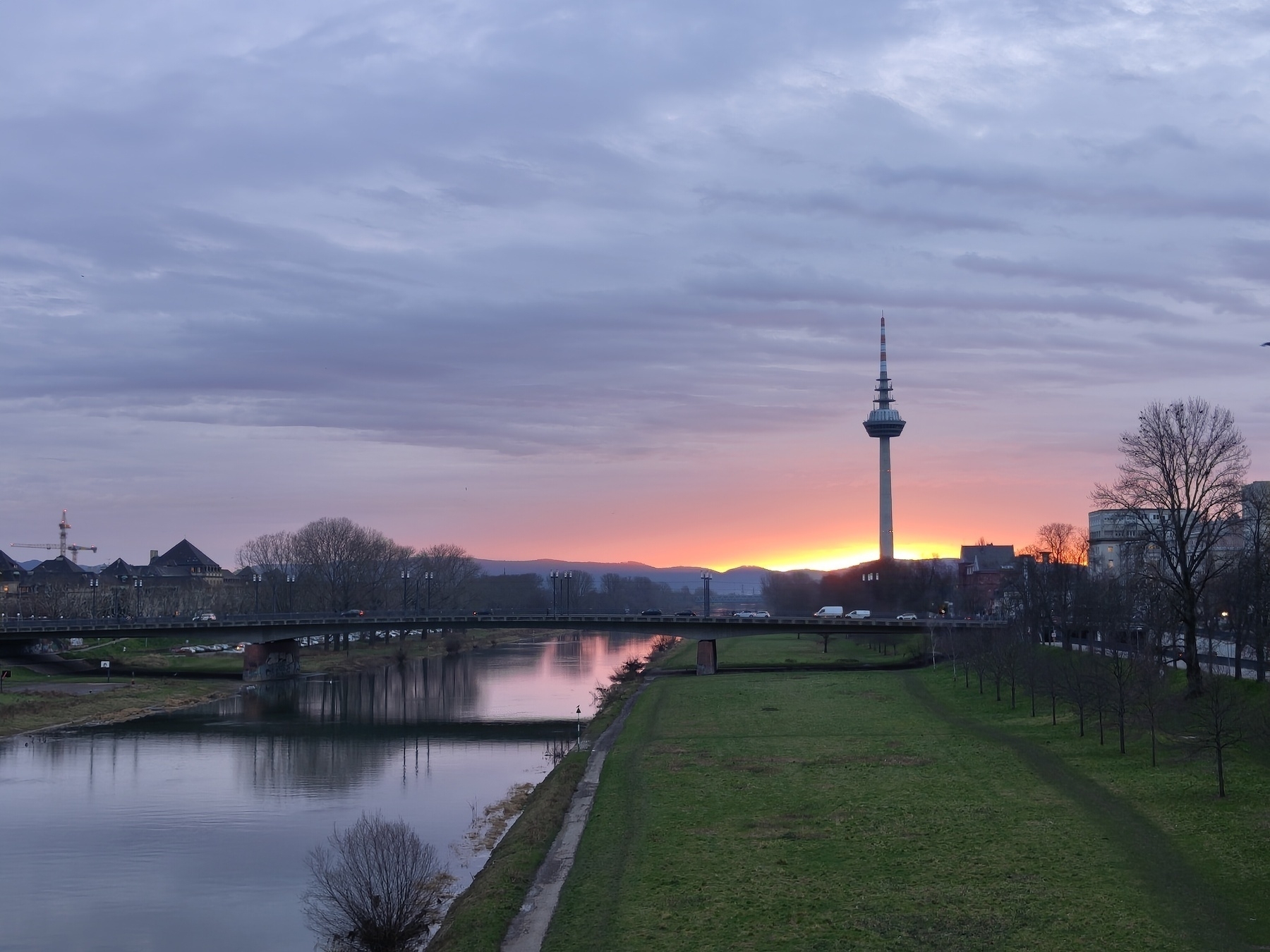
When the train line through Mannheim up to Frankfurt was closed for repairs, I started taking the tram to work. It takes longer, but I do appreciate the opportunity to read for longer stretches than with the train. I have to change trams, and now get out a stop earlier to walk across a bridge over the Neckar by the Collini Center, and enjoy both the views from it, and the bridge itself, worthy of a few photos in my view!
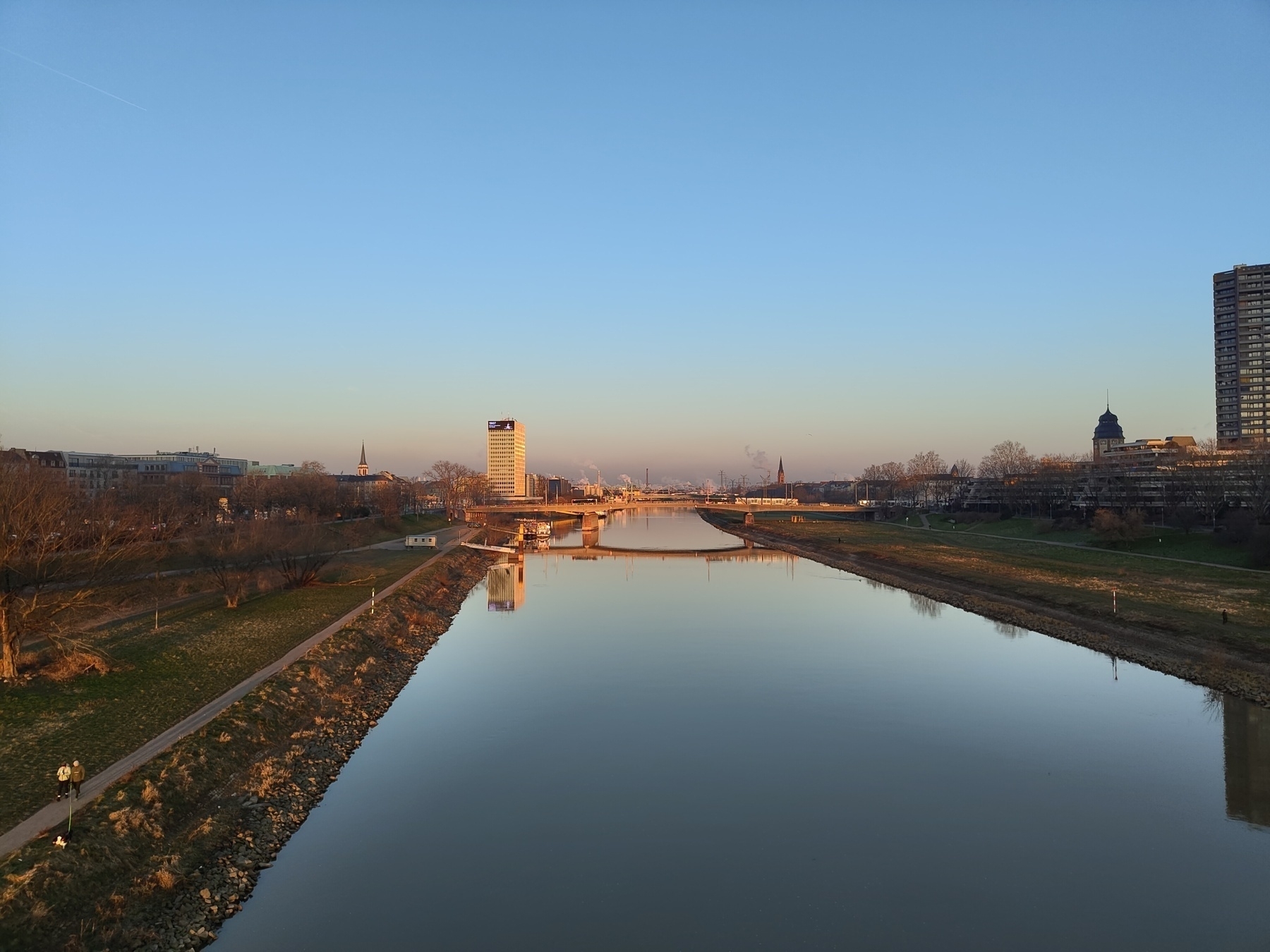
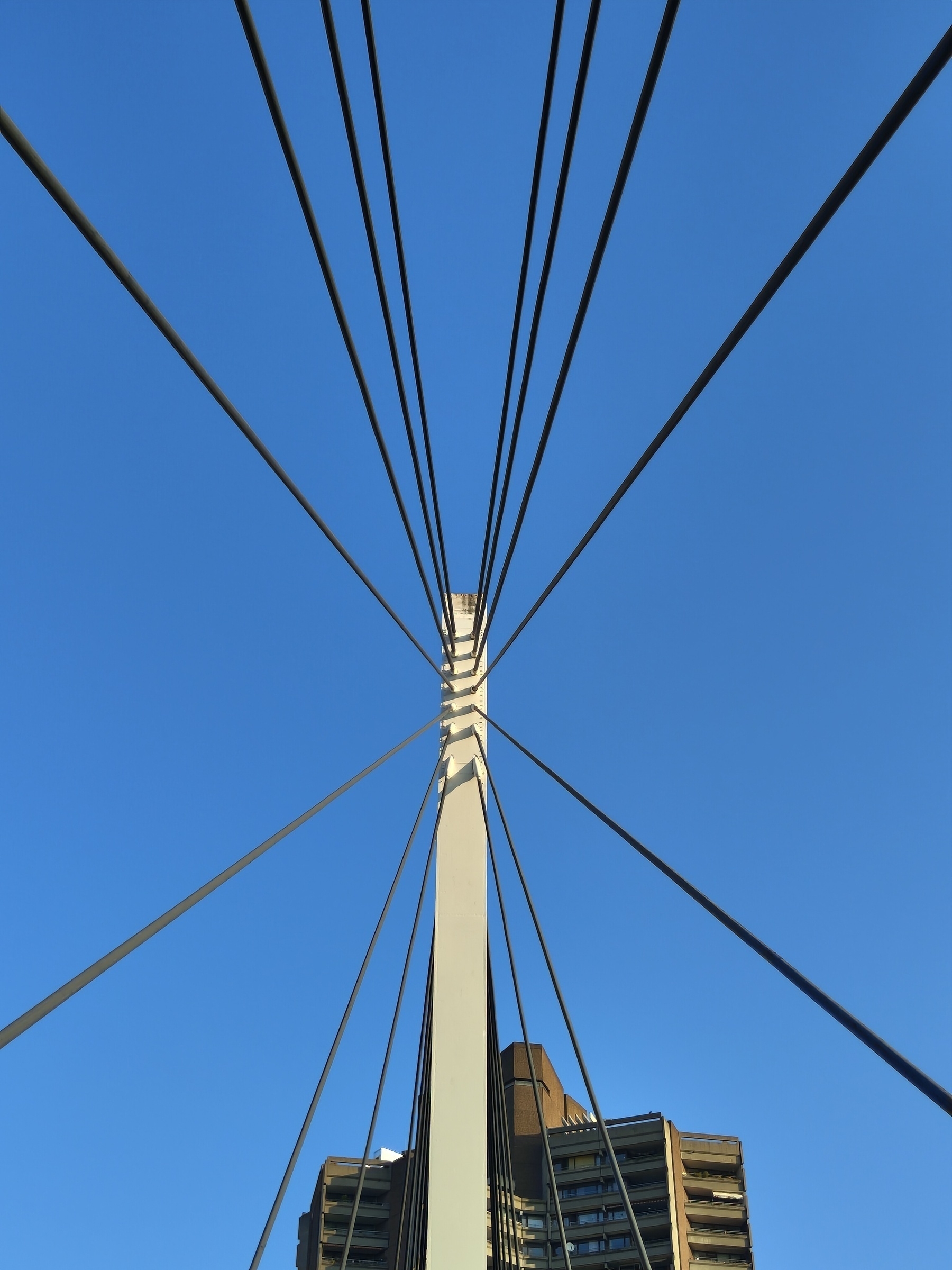

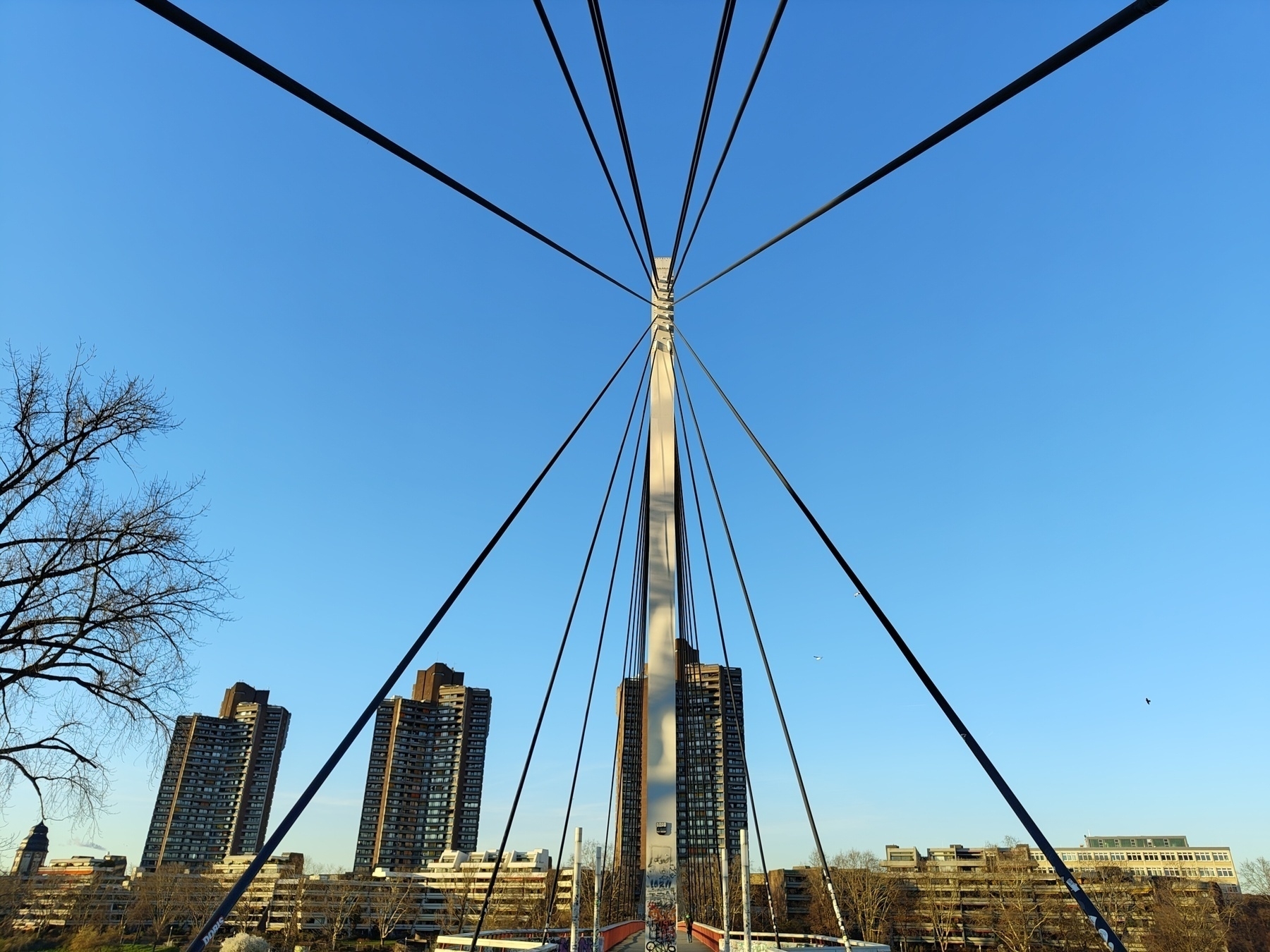
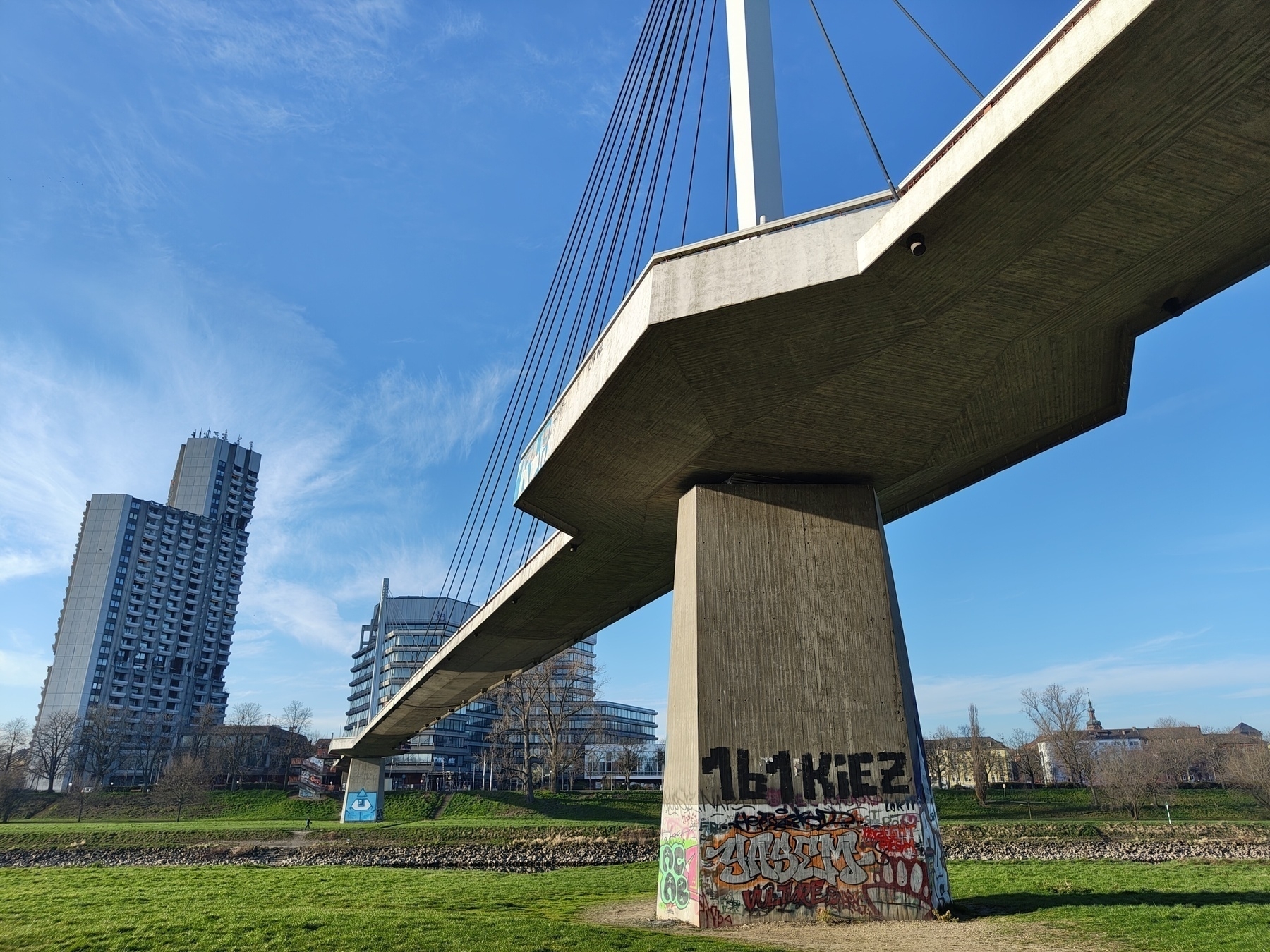
A lovely day here in Heidelberg, the first with us happily wearing shorts! Took two of our bikes to get serviced, looking forward to having them back and running smoothly once more.
The UX coffee video
The video I made to show the basics of our Ultimate Extraction, or UX, coffee brewing method is now live on YouTube. It’s just a simple cut to give an impression into how it works - but the technique itself, requiring just one key piece of equipment, produces lovely coffee: it’s well worth diving into!