AI in universities - a nuanced view
A nice article in the Guardian from a student about how she sees the use of AI in universities from the student perspective. The whole university system, as well as AI tech, is still uncertain following COVID and other ructions. A good counterpoint to the professor’s view that I mentioned in my previous post on AI.
Her perspective as to the actual use of AI matches mine - as a research assistant more than a substitute writer - but, then, she would say that in public, on the Guardian, wouldn’t she…?!
(meaning, to be sure, that the author of a Guardian article would be self-selecting to be that type of person)
AI and me: a state of affairs in June 2025
I’ve long struggled with an inability to get AI. Whether that’s to “get into”, to “get along with”, or simply to understand it, I’ve not found it to have been as appealing as many others have made it out to be.
There are situations where its use is unavoidable, but - and this is where it shines - it’s also not shouting “THIS IS AN AI TOOL!” This is mostly situations such as translation services like DeepL or Google Translate, which all use AI / machine learning to re-bolt together sense in the translated language. I have also started using search services (Perplexity, Kagi Assistant) for researching projects, where the assistant can propose answers and (for me, critically) citations: like when I’m delving into specific, niche topics like brass playing and the embouchure.
There’s a good example here of how we need to work with and apply our scepticism to the profferings of AI assistants. There’s a long-held belief that brass players buzz their lips to make sound. This isn’t actually true: as concert trombonist Christian Lindberg pointed out on his YouTube video from 2015, when you remove the trombone from the mouthpiece whilst playing a note, the player ends up just blowing air through the mouthpiece.
This is backed up by considering the basic physics of a wind instrument: we’re setting up standing waves at the desired frequencies within the pipe. Our lips are actually vibrating sympathetically to those waves (we can also start notes just by blowing into the instrument without tounging - it just starts sounding, like an organ pipe). Now, of course, our embouchures are doing an awful lot still, and we have to work those muscles hard to keep those note-playing systems stable. But each query I made via AI agents led to flat assertions that brass players buzz, and sometimes, hidden in the longer summaries, perhaps some cursory comments along the lines of standing waves.
It’s important to realise that the AI has no understanding of what it’s producing! This means that it doesn’t check for internal or external inconsistencies. The human who requested the research needs to work to understand what has been produced by the AI and why - for correctness, or for some notion of popularity or frequency on the web?
Where all this came from
Whilst my daughter was having her teeth looked at, I was in the dentist’s waiting room reading an article by Brian Klaas on his blog The Garden of Forking Paths on The Death of the Student Essay - and the Future of Cognition and was struck by three passages that I’d like to quote. The first references something that I’ve not mentioned yet: using AI to write articles on a specific subject for us. Klaas talks about how we (most pertinently, his students) can give too much credence to the results from an AI query under…
… the mistaken belief that the spat out string of words in a reasonable order is the only goal, when it’s often the cognitive act of producing the string of words that matters most.
This gets to the heart of my unwillingness to use AI as a writer, or a “copilot”, at all. Firstly, I dislike the loss of agency and possession. AI-generated results neither sound like me, nor do they feel “valuable” to me, since they take away the hard but nevertheless rewarding work of generating understanding for myself, the author.
He continues later:
If you want to know what you think about a topic, write about it. Writing has a way of ruthlessly exposing unclear thoughts and imprecision.
Others may (or may not) read about it, but what all this writing is really doing is creating links and then conversation points for the next people in our communities. So, using AI to perform research for us and generate some thought-starters can be legitimate, but we have then to translate these into our own thoughts and words to know that we have have internalised them.
Another Klaas quote from the same article touched a nerve:
we’re engaged in a rather large, depressingly inept social experiment of downloading endless knowledge while offloading intelligence to machines.
This a a key foible of mine, and led directly to this post. I’m terrible for saving links of interesting things or making notes, collecting them all in some bookmarking or note-taking app - never to be made use of at all.
So that’s what this post is about, really: the challenge to myself that if I read something that I want to capture, then I should write about it - for others, in public. I’m under no illusions: nobody reads this blog, but its words will be out in the open and people could potentially - AI crawler bots will - stumble upon it, so I should be able to stand by my words (or write amending posts on them later, if called to do so). So I intend to do more “link-and-quote-posting”, with commentary, similarly to John Gruber on his Daring Fireball blog. He usually adds at least a sentence of his own to each quote, which, on aggregate, is a fine way of understanding who the person (or, at least, the persona) behind the blog is, what they think and what, overall, they stand for.
Where does search end and AI begin?
As I mentioned at the beginning, I do increasingly use AI for (re)search, and I feel the boundaries between classical “Googling” and asking Perplexity and co for answers plus citations blurring ever more. This is the research assistant role that I (similarly to Reid Hoffman, LinkedIn founder and AI investor) treat AI as. It’s not an oracle, but it can be an exceedingly productive snuffler, rooting things out like a young or ineffective wild boar, unsure as to whether what it unearths is fit for consumption
Where does this post end?
Right about here. But the thinking and - hopefully understanding - doesn’t!
A browser for every app?
I’ve long been wondering what’s going on with all these new browsers, and whether we’ll need to install a new browser for each search app or chatbot that we want to use. Already I have apps on my phone for Quant, Kagi and Mistral, as well as Firefox and Chrome browsers (it’s an Android) - and these browsers, like those from Ecosia, Duck Duck Go, Ad Block Plus and all - don’t feel like browsers at all: to me, it’s all going against the grain of the original web. Casey Newton (@caseynewton@mastodon.social) just dropped a post, full of great links to explore further - The AI browser wars are about to begin - on this very topic.
On a minor note, first; I do take issue with Newton’s oversimple assertion that Opera is a Norwegian browser - it was bought out in 2016 by a Chinese tech consortium including, according to the Battle of the Browsers website
… gaming firm Beijing Kunlun Tech, cybersecurity specialist Qihoo 360 Technology, Golden Brick Silk Road Equity Investment Fund, and Yonglian Investment.
Indeed, I swiftly stopped using Opera due to my concerns with the Chinese takeover and eventually ended up bouncing between Vivaldi and Firefox, all the while remaining (too) open to trying other browsers like Arc (for a while), Zen and now Kagi’s Orion, which is of the class of browser that I’m now concerned with here.
There are browsers of all styles available on Android, but the main theme here is that they aren’t browsers in the traditional sense, but portals to the companies’ own AI systems, ready to search, browse and act for you. As Newton implies, it still feels rather unsettling:
The entire structure of the web — from journalism to e-commerce and beyond — is built on the idea that webpages are being viewed by people. When it’s mostly code that is doing the looking, a lot of basic assumptions are going to get broken. … To the browser warriors suiting up for battle, that looks like an exciting opportunity. To everyone else, though, it still feels mostly like a problem.
I’ve yet to really dive deep into AI tools (I still prefer to write my own text) beyond DeepL’s translation assistant, but it feels as if we’re in a strange moment, where I’ll be part of the previous generation and the next or next-but-one will be acting upon acts performed on their behalves - if it all pans out as these companies imagine.
Cleopatra and the Caesars in Speyer
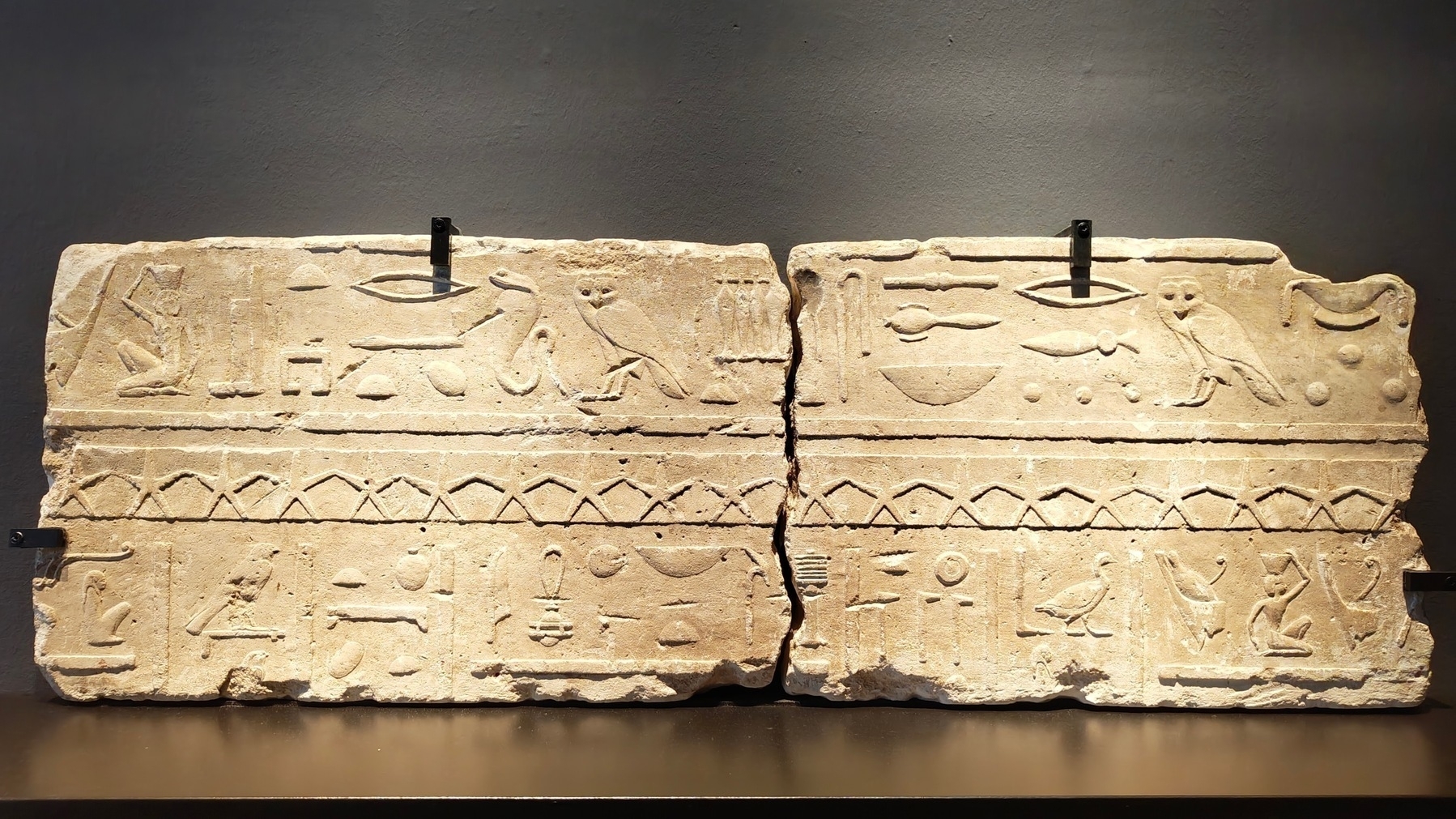
Today, on the Ascension bank holiday, we visited the Cleopatra and Ceasar exhibition in the Kurpfalzmuseum in Speyer. It was an impressive and informative display, spoiled just a touch by the pretty bad air in the understandably dark rooms, with artefacts borrowed from Hamburg, Berlin, the Louvre, from around Italy… but nowhere in Egypt that I noticed.
It was refreshing to see the museum point out how the somehow insecure male victors’ view of this femme fatale permeated culture, belittling Cleopatra’s richness and mastery of manipulative politics.

The cycling commute
I just about managed to keep up my goal of cycling to work (around 24 km each way) at least once a month, after finding a nice route back along the bicycle “Autobahn” through the ex Spinelli barracks in Mannheim, adding a few more photos to my commute collection on the way.



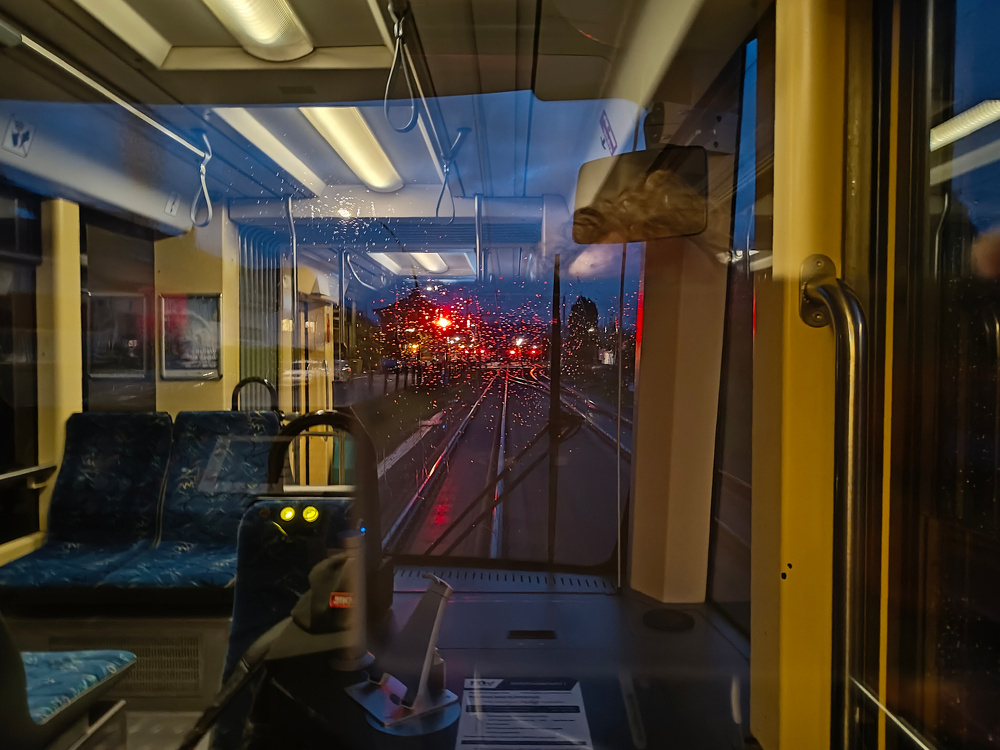
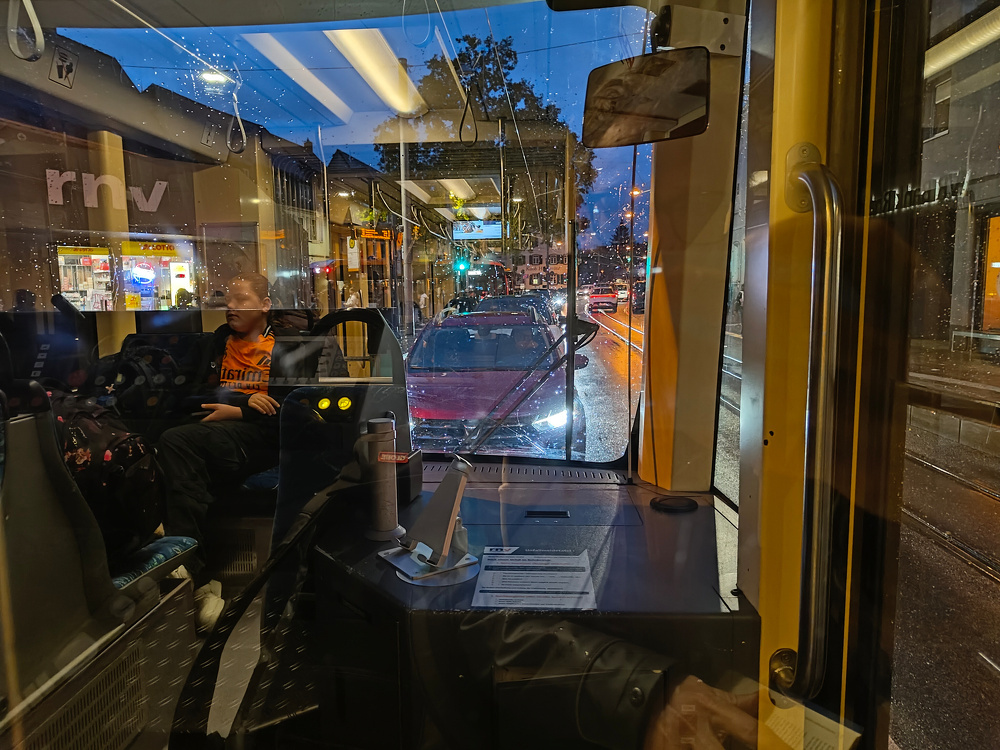






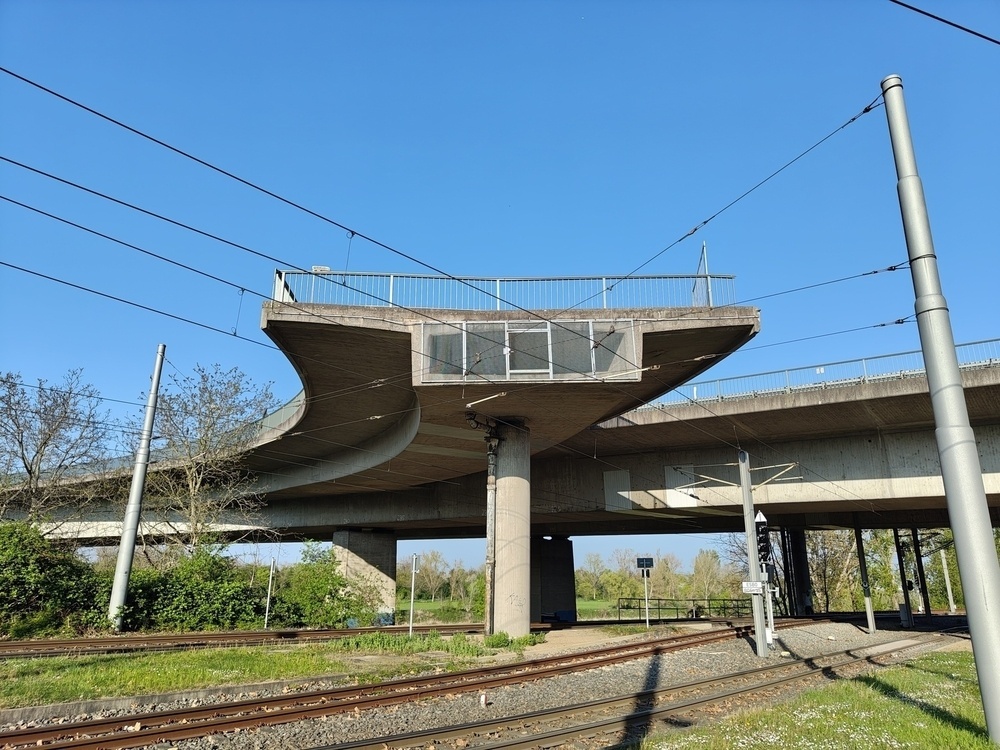

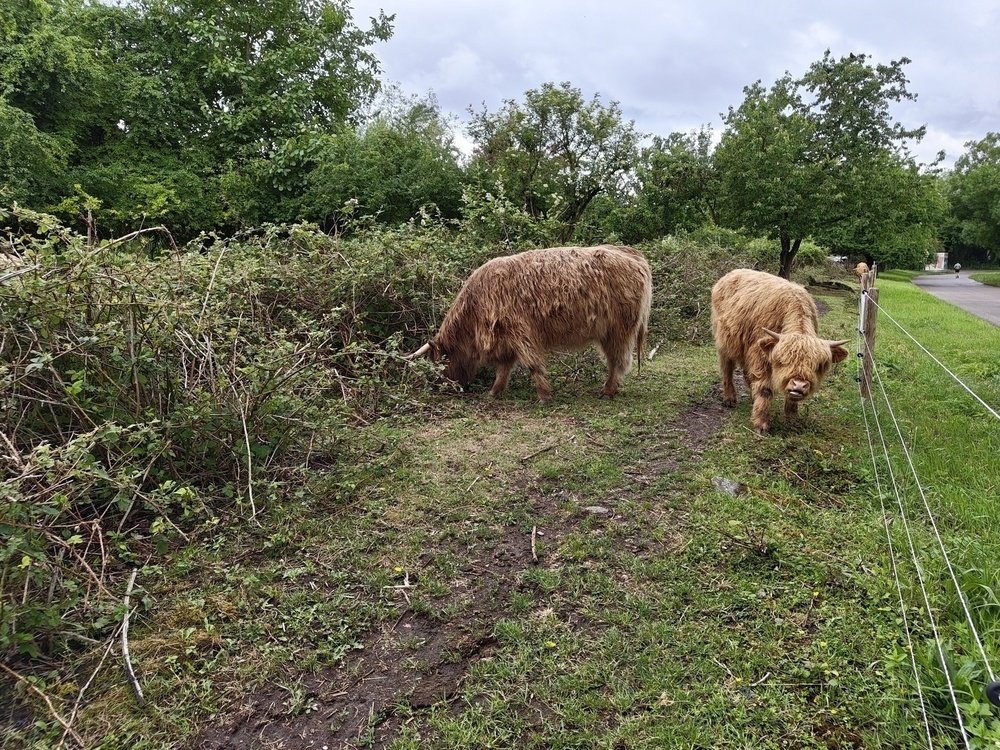
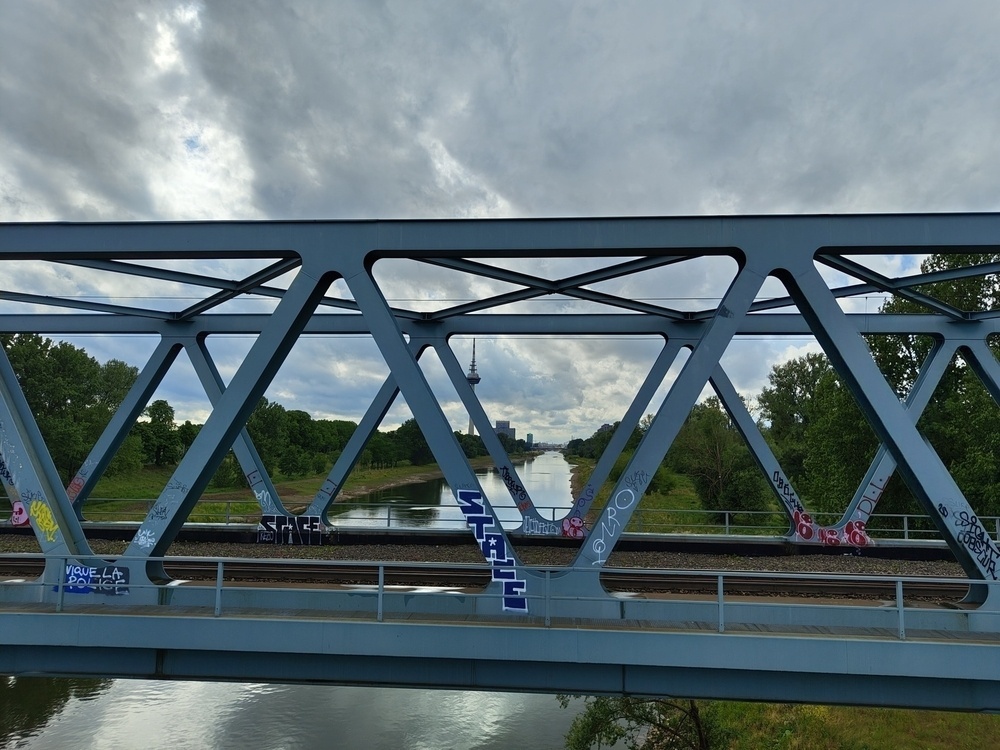


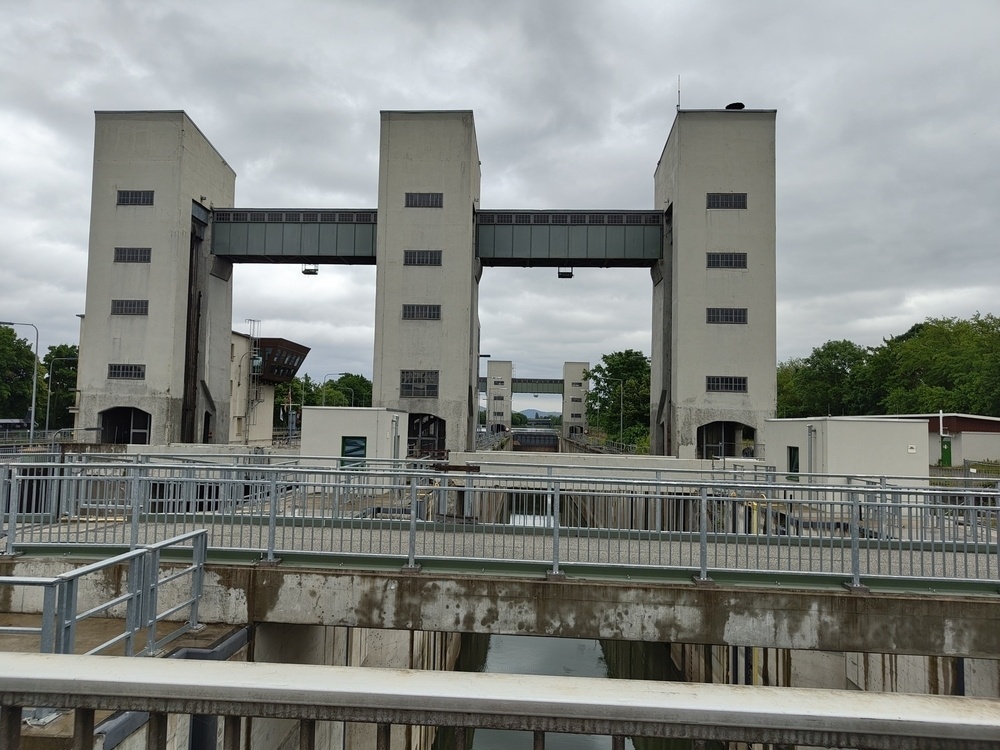

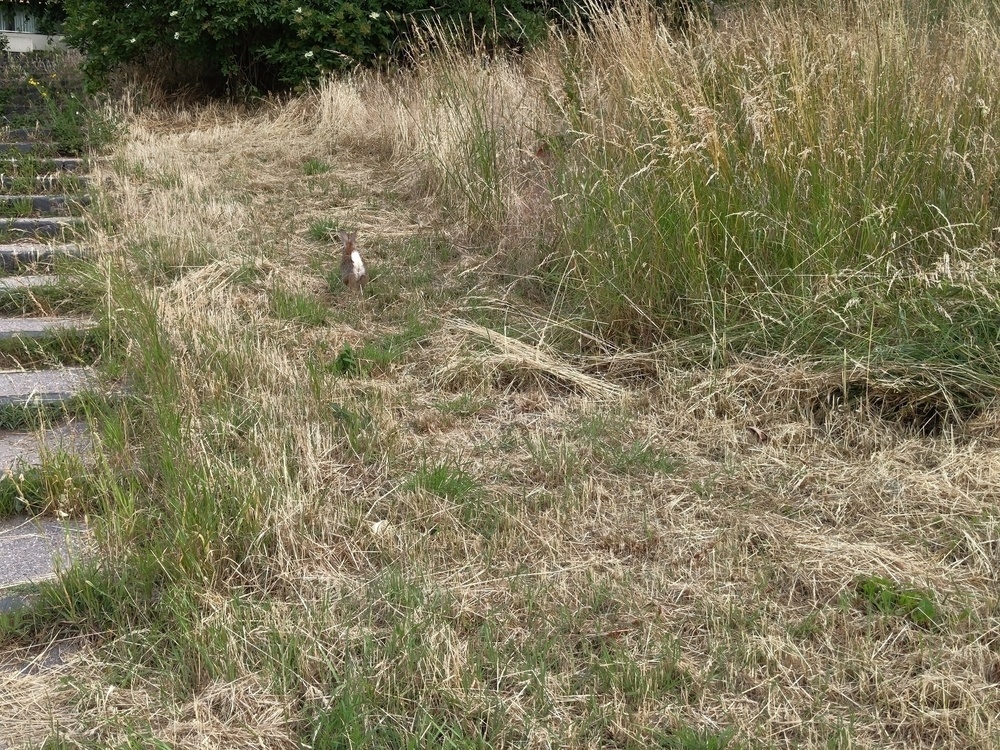
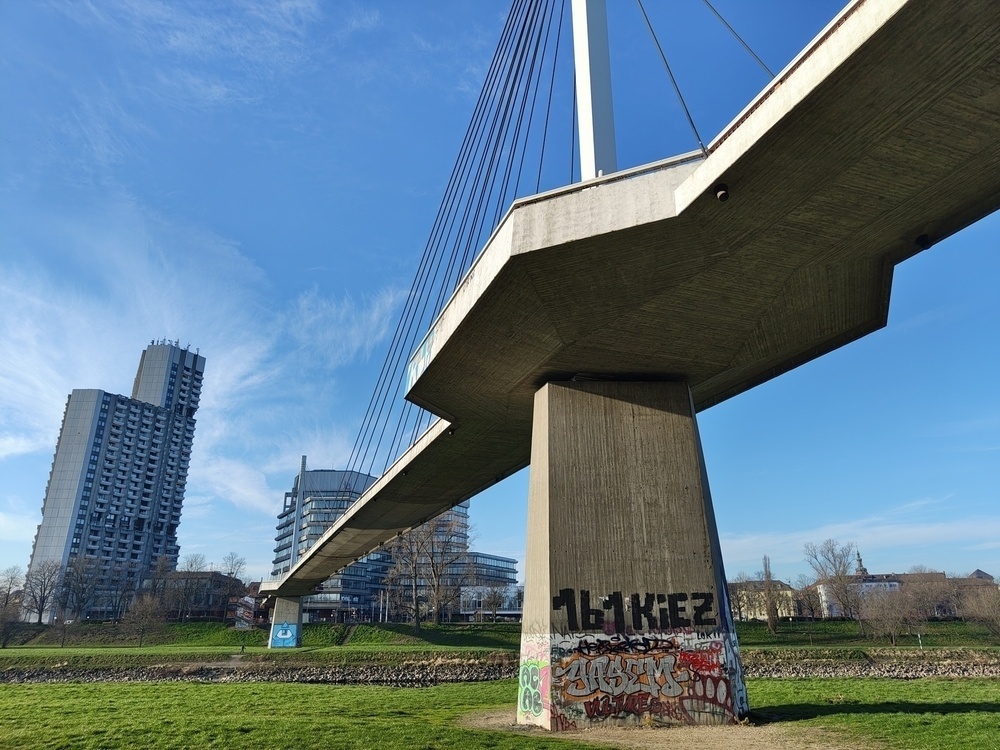





It’s not all idyllic, but I can ride pretty much the whole way on cycle paths with this route, though on the final stretch, I made a detour away from a cycle route running along a loud main road. It’s great to have the option of doing this, along with the tram, or the folding bike and train… though they all take significantly longer than the car, or - naturally - working from home…
Hamburg and Lübeck
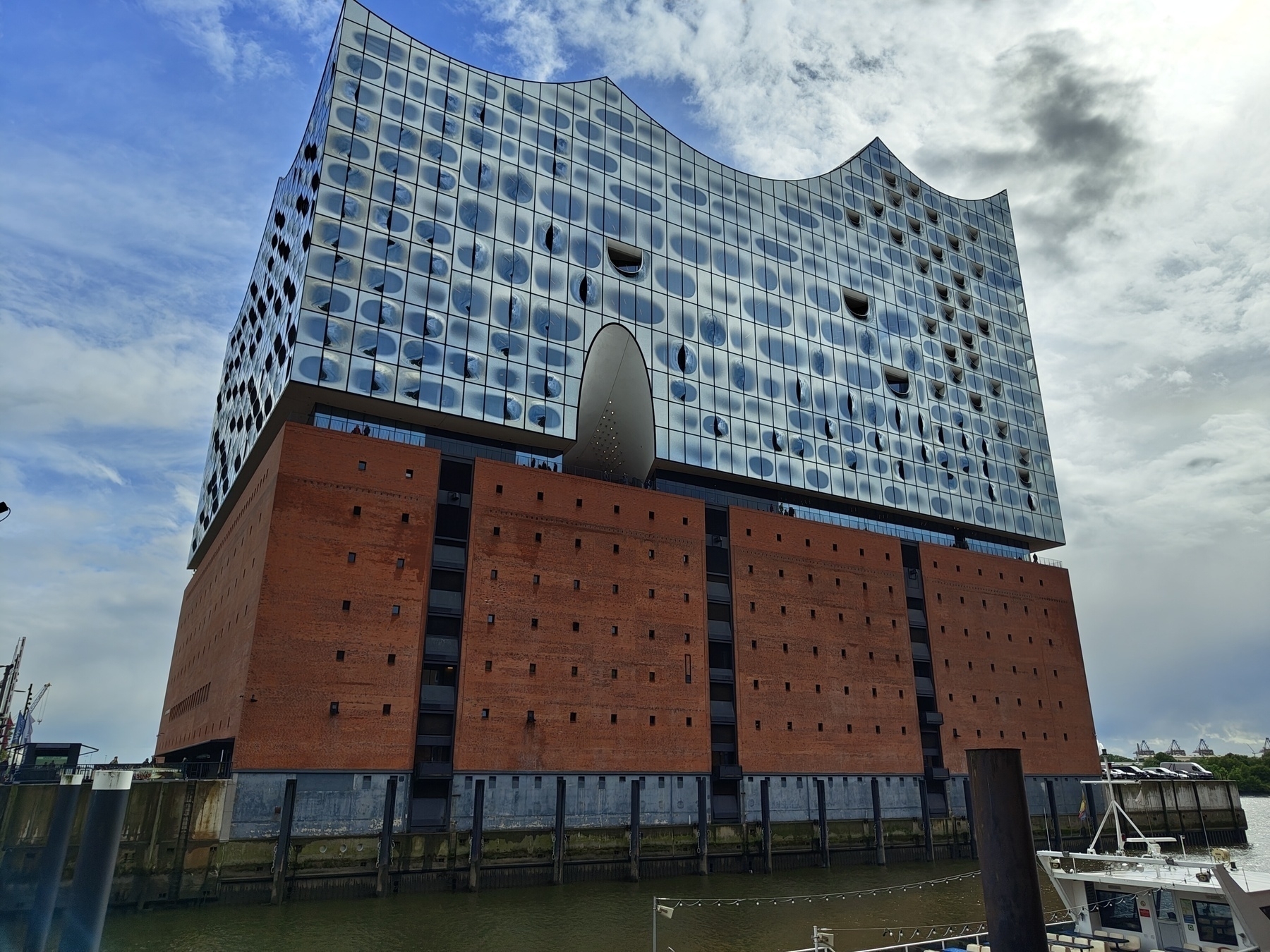
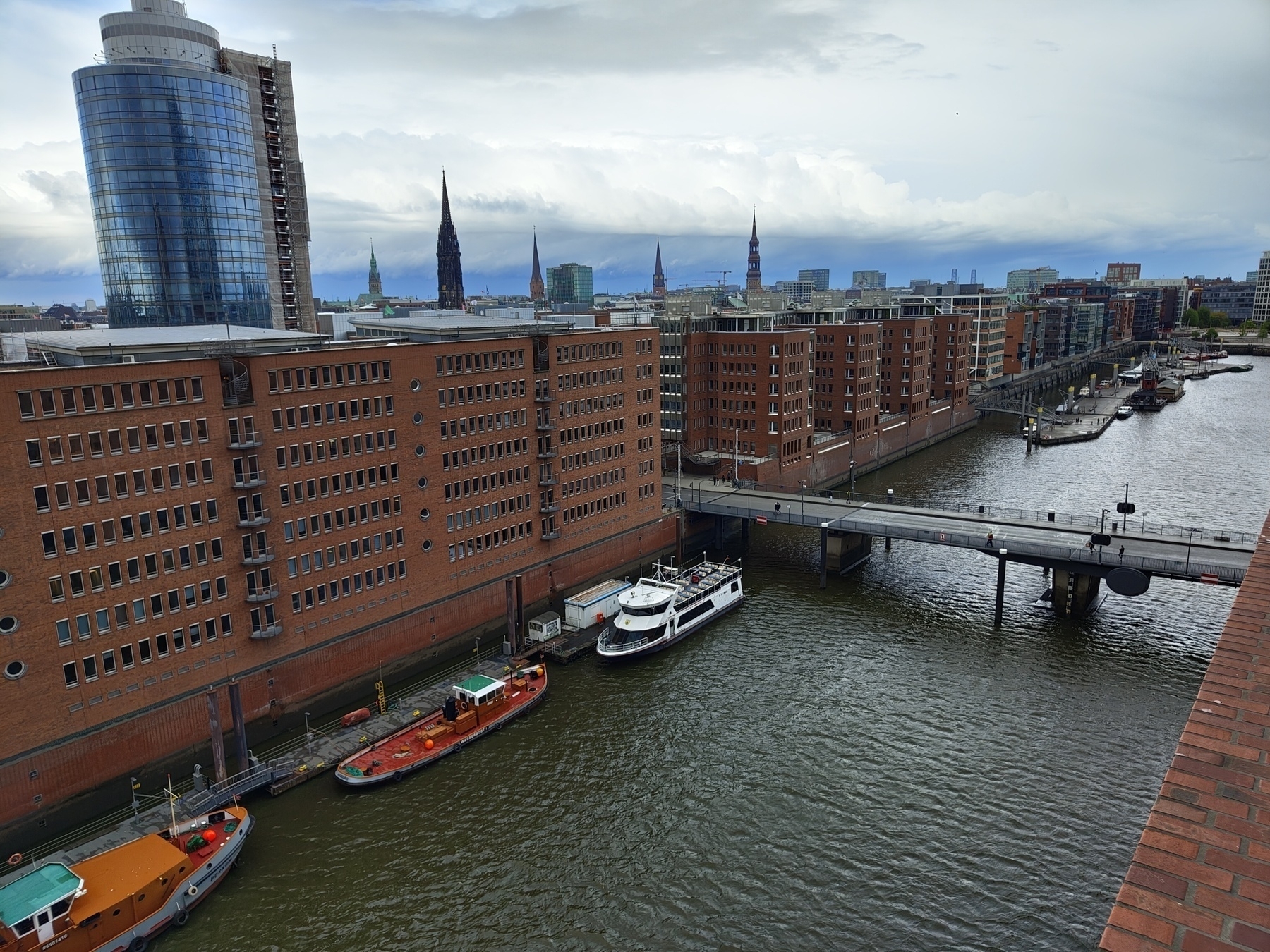
Back from a memorable couple of days in Hamburg and Lübeck with my uncle from New Zealand, and my brother-in-law, who stepped in for my Dad who couldn’t come at short notice. We were helping my uncle retrace his roots as a post-war Brit born in occupied Hamburg, christened in Lübeck.
Both are fantastic cities of the old Hanseatic League, of different sizes, clearly, but also of different - yet equally impressive - qualities. From the Hafencity and Elbphilharmonie in Hamburg, to Lübeck’s Rathaus, Marienkirche (where we experienced a beautiful midday peace service accompanied by a brilliant young choir) and Niederegger café, and of course to my uncle’s places of birth and christening, it was a meaningful city tour, well worth taking a few days off for!






Analogue Sirens
I’m such a sucker for the analogue that this article on The Verge on Lo-fi journalling overnight inspired me to crack open the Leuchtturm1917 Bullet Journal again this morning, and get my fingers all inky cleaning out a dried up fountain pen.
Bonus: they also introduced this retro cassette boombox from We are Rewind, too.
Evil stuff! But it all gets me thinking back to Kevin Kelly in What Technology Wants, where he describes how he can still buy modern iterations (not versions, as such, not developments) of things he found in adverts in an 1800s newspaper. Technology survives, even as it evolves and some keystone technologies like pens and paper, and tactile audio like vinyl and cassettes, refuse to go away.
An interesting take on Germany’s East-West divide by James Hawes: Slavs “versus” Romans, authoritarians versus democrats:
Enjoyable sacrifices
I’ve long had troubles with my digestive tract and focussed mostly on FODMAPs as the key driver for them, with varying degrees of success. The worst “delivery units” of oligo-fructans for me are onions and garlic, which poses limits on our cooking at home, and makes eating out a real minefield.
Yesterday we attended a German-Sri Lankan wedding, which was a lot of fun. Some Sri Lankan cousins of the groom provided the meal, and it was time for me to simply say “right, that’s it” and simply eat the food, which was delicious.
I suffered in the night, but not all that much more than I have been recently whilst trying to be careful and it made me think: alcohol is also bad for us, but drinking together has real social benefits that shouldn’t be underplayed. It was the same for me yesterday with the curries: I enjoyed them so much, and we all suffered the spiciness (the Sri Lankans primarily because it was all so mild for them) together that I realised:
Some “enjoyable sacrifices” are worth making.
Bahn and calm
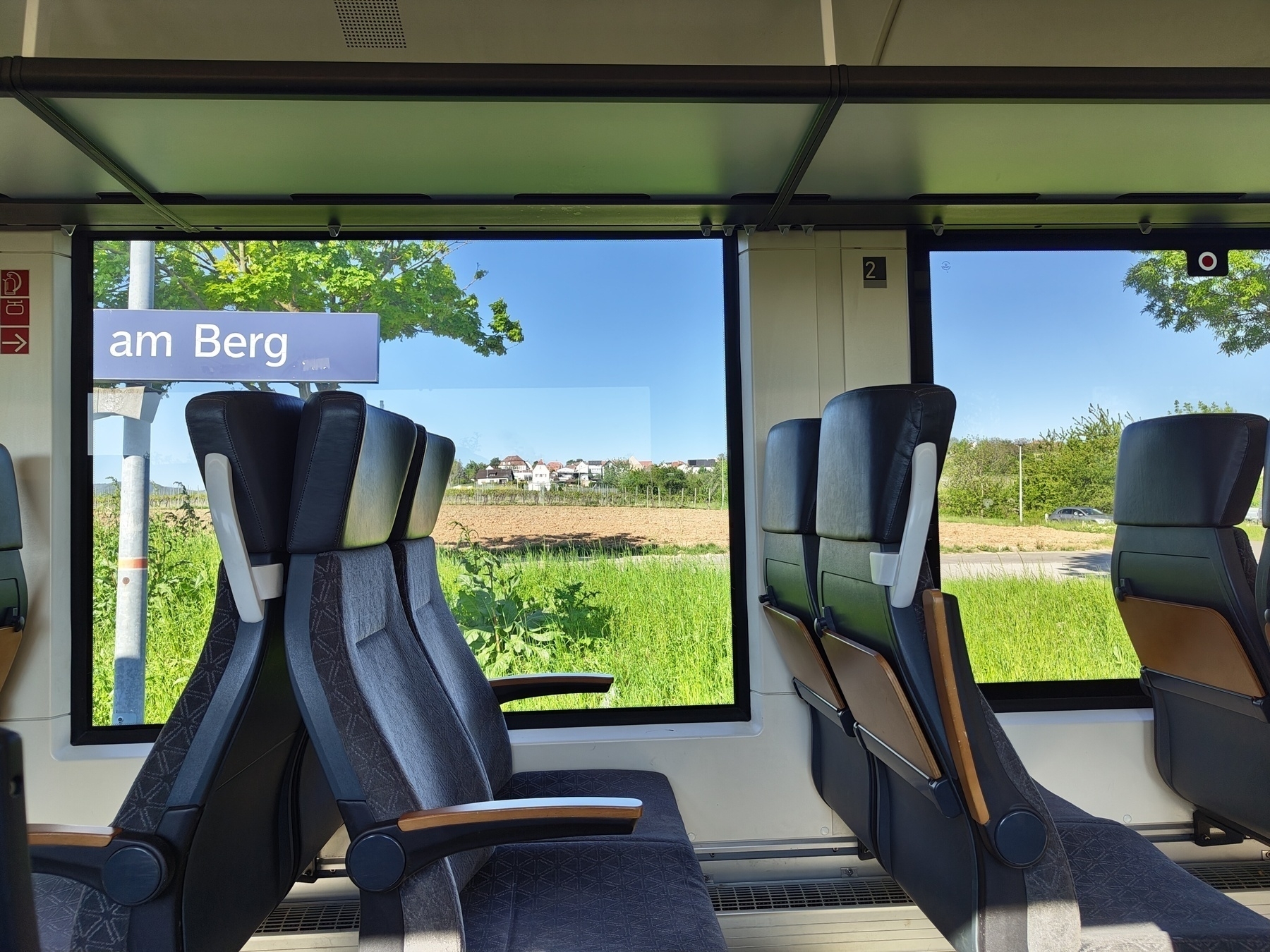
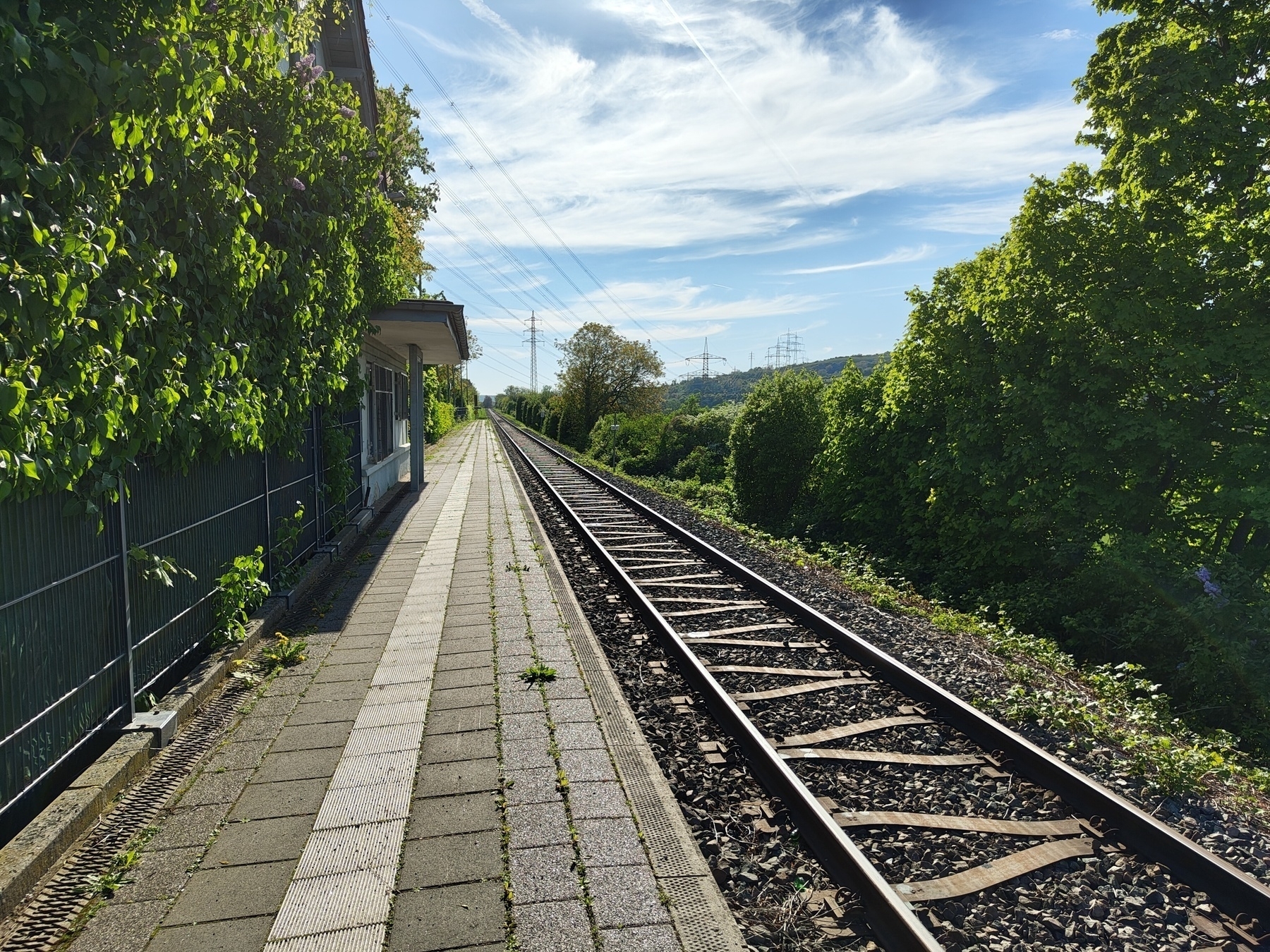
The dear old Deutsche Bahn does provide for more than its fair share of frustrations, including this morning when the “right” train with the right number arrived on time on the right platform - and then set off in the opposite direction, back to where I had just come from. But, once I got nearer to my destination, I couldn’t help but smile at the relaxed little stations out in the Pfalz - even though I was now late for our off-site meetings.